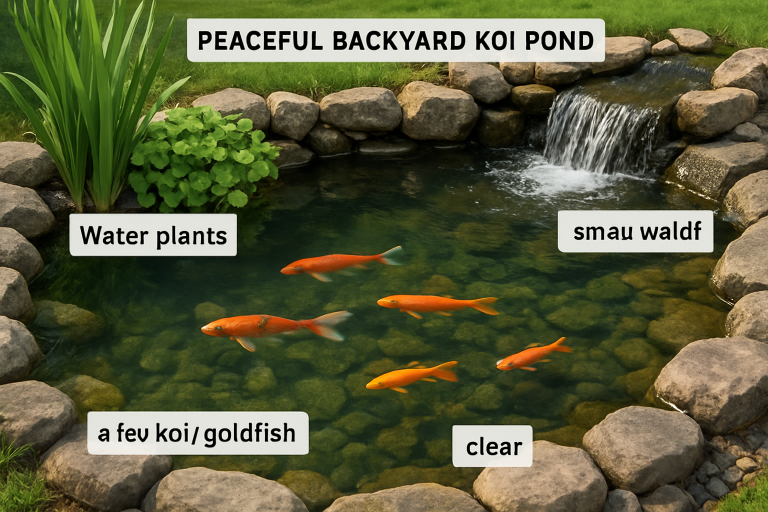
Creating an enchanting and healthy pond for koi and goldfish is a source of joy and relaxation for many homeowners. While these beautiful aquatic environments provide endless enjoyment, maintaining them requires a proactive approach and attention to detail. A successful pond is not only about aesthetics; it is about creating a sustainable ecosystem where fish and plants thrive. Whether you’re a beginner or an enthusiast ready to upgrade your pond, understanding the fundamentals is essential to long-term success. If you’re looking into professional pond installation in Austin, Texas, proper planning is key from the start.
Proper pond maintenance extends beyond routine cleaning; it encompasses everything from water chemistry to the shape and size of your pond, and even the surrounding landscape. With the right design, equipment, and regular maintenance, you can help prevent common issues like algae blooms, fish stress, and declining water quality that can quickly diminish your backyard oasis.
To maximize the health and beauty of your pond, it’s essential to recognize how each element—from filtration systems to feeding habits—works together as part of a larger ecosystem. By mastering a few basic principles, you can create a balanced environment where koi and goldfish will flourish for years to come.
-
Outdoor Living
-
-
Outdoor Living
-
-
Table of Contents
Pond Design and Size
The foundation of a healthy pond begins with thoughtful design and appropriate sizing. A pond should be at least two feet deep, or deeper in colder regions, to help prevent complete freezing and to provide your fish with ample protection from predators and extreme temperature shifts. It is generally recommended to provide 50 to 100 gallons of water for each fish, depending on their size. Larger, deeper ponds are more stable, minimizing temperature fluctuations and helping maintain water quality.
Koi and goldfish pond design Austin, Texas, requires special attention to the local climate and seasonal changes. When planning your pond, consider future growth, both of your fish and any aquatic plants. Crowded conditions not only stress aquatic life but also increase the risk of disease outbreaks and oxygen depletion. Incorporating shelves for marginal plants and choosing a location away from heavy leaf drop will save time on maintenance in the long run. Thoughtful placement and design also support water circulation and natural aeration, both of which are critical for a thriving ecosystem.
Filtration and Aeration
Clear, healthy water relies on robust filtration and aeration systems. Mechanical filtration removes physical debris before it can break down and pollute the pond. At the same time, biological filters create a home for beneficial bacteria that convert harmful ammonia into less toxic substances. Make sure to clean or backwash filters as recommended by the manufacturer to maintain performance.
Aeration is equally essential, especially during hotter months. Air pumps, fountains, or waterfalls agitate the surface to increase oxygen exchange—crucial for fish health and for supporting aerobic bacteria in your filtration system. Regularly checking these systems, especially during seasonal changes, will reduce the likelihood of fish kills due to low-oxygen events.
Feeding Practices
Feeding koi and goldfish can be a highlight, but precision is vital. Overfeeding leads to uneaten food, which decomposes quickly, fouling the water with excess nutrients and increasing the risk of algae blooms. Offer only what fish can consume within five minutes, and reduce feedings as temperatures drop. When water temperature is between 50°F and 65°F, switch to wheat germ-based feeds, which are more digestible. Below 50°F, your fish’s metabolism slows significantly, and feeding should be curtailed or stopped to avoid digestive issues.
Seasonal Maintenance
Ponds are dynamic, and their care needs shift with the seasons:
- Fall: Prevent excess organic buildup by placing netting over the pond to catch leaves and pruning back nearby plants. Skim debris frequently to maintain clarity.
- Winter: In colder climates, keep a small area of ice-free water using a pond heater or de-icer to allow toxic gases to escape.
- Spring: Thoroughly clean the pond after winter, restart your filtration system, and inspect your fish for signs of illness or damage as they become more active.
- Summer: Provide shade using floating plants or partial covers, and top off evaporated water with dechlorinated fresh water. Monitor oxygen levels, as warmer water holds less oxygen.
Water Quality Monitoring
Regular water testing is central to pond health. Test for ammonia, nitrite, nitrate, pH, and dissolved oxygen. Ammonia and nitrite should always be at zero; if present, they pose a serious threat to your fish. Nitrate should remain low, primarily managed via partial water changes and healthy plant growth. Maintain pH between 6.8 and 8.2 to avoid stress or toxicity spikes. Partial water changes of 10–20% every week or two help dilute harmful compounds and replenish minerals beneficial to fish and plants.
Plant Management
Aquatic plants offer both beauty and biological benefits by absorbing excess nutrients and providing shade. However, unchecked plant growth, particularly of floating species, can block sunlight, deplete oxygen at night, and decay, causing water quality problems. Ideally, plants should cover no more than half the pond’s surface area. Routinely remove yellowing leaves and thin out overgrown patches to keep the pond balanced.
Preventing Overcrowding
Spacious environments support healthier, less-stressed fish. Regularly assess the ratio of fish to water volume, especially after breeding seasons. If space becomes an issue, consider relocating some fish or expanding your pond. Overstocking rapidly degrades water quality and increases the risk of disease outbreaks. By keeping your population at or below recommended levels, you allow each fish room to grow and thrive.
Common Mistakes to Avoid
- Overfeeding quickly elevates waste and nutrient levels.
- Neglecting regular cleaning and filter maintenance leads to poor water quality.
- Irregular or absent water testing allows toxic conditions to develop unnoticed.
- Letting plants run rampant can choke out oxygen and sunlight for fish.
- Cramming too many fish into small or inadequately filtered ponds is a leading cause of disease.
With thoughtful planning and consistent attention, maintaining a koi and goldfish pond can be both manageable and incredibly rewarding. By mastering these essentials, your pond will not only become a peaceful retreat but also a thriving habitat for vibrant fish and flourishing plants.