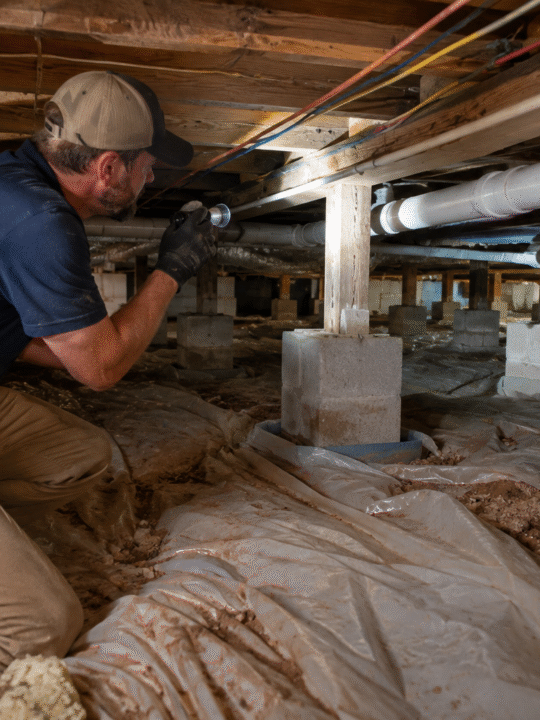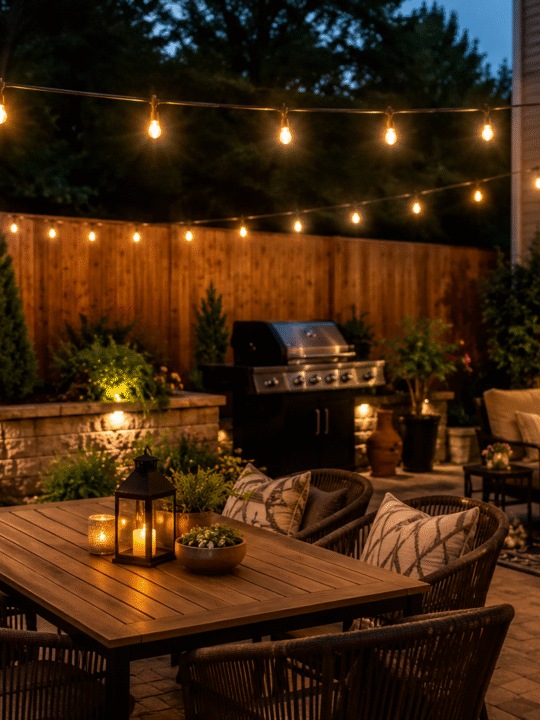
Mosquitoes rank among the most persistent nuisances in residential life, but the problem extends well beyond itchy bites and disrupted evenings outdoors. According to the World Health Organization, mosquito-borne diseases account for more than 700,000 deaths worldwide each year, making these insects one of the deadliest animals on the planet when measured by human impact. In the United States alone, the Centers for Disease Control and Prevention has tracked a steady rise in reported cases of West Nile virus, dengue, and other mosquito-transmitted illnesses over the past decade. For homeowners, this makes mosquito management less a matter of comfort and more a matter of genuine household health.
Understanding Why Mosquitoes Choose Your Yard
Mosquitoes are drawn to specific environmental conditions, and most residential properties unknowingly provide exactly what these insects need to thrive. Standing water is the single biggest attractant, since female mosquitoes require it to lay eggs. A container holding as little as an inch of stagnant water can become a breeding site within days. Clogged gutters, forgotten flowerpots, birdbaths, tarps, and children’s toys left in the yard all qualify as potential nurseries. Humidity, shaded vegetation, and warm temperatures further compound the problem, which is why mosquito activity peaks during summer months in most climates.
Homeowners often underestimate how quickly a mosquito population can establish itself. The typical life cycle from egg to adult takes as little as seven to ten days under favorable conditions, meaning a single missed puddle can generate dozens of new mosquitoes in under two weeks. This rapid reproduction cycle is precisely why professional mosquito treatment, especially near the Sacramento area has become such a popular option for households that want lasting relief rather than temporary fixes.
Eliminating Breeding Grounds
The most effective starting point for any home mosquito strategy is source reduction, which simply means removing standing water wherever possible. Walking the property once a week to empty containers, unclog drainage systems, and turn over unused pots can meaningfully reduce local mosquito numbers. Gutters deserve particular attention, as debris buildup often creates hidden pools of water that go unnoticed for weeks. Birdbaths and pet water bowls should be refreshed every few days to interrupt the egg-laying cycle before it completes.
Landscaping choices also play a role. Overgrown shrubs and dense ground cover create shaded, humid microclimates where adult mosquitoes rest during the day. Trimming vegetation and maintaining shorter grass reduces these resting spots and makes yards less hospitable overall. Some homeowners have found success incorporating mosquito-repelling plants such as citronella, lavender, and marigolds into their landscaping, though research suggests these plants offer modest protection at best and work better as a complement to other measures rather than a standalone solution.
Physical and Mechanical Barriers
Screens on windows and doors remain one of the simplest yet most underused defenses against mosquitoes entering the home. Checking screens for tears or gaps each spring, before mosquito season ramps up, prevents easy indoor access. Outdoor living spaces benefit from mosquito netting around patios or seating areas, particularly during dawn and dusk hours when mosquitoes are most active.
Fans have also proven surprisingly effective outdoors. Mosquitoes are weak fliers, and a steady breeze from an oscillating fan can make it difficult for them to land on skin, offering a low-cost way to protect a porch or deck gathering. Bug zappers, while popular, have shown limited effectiveness in scientific studies, since they tend to attract and kill more beneficial insects than actual mosquitoes.
Chemical and Natural Repellents
For direct personal protection, repellents containing DEET, picaridin, or oil of lemon eucalyptus have been consistently validated by the CDC as effective against mosquito bites. Concentration matters more than brand name; products with 20 to 30 percent DEET typically provide several hours of protection, while lower concentrations require more frequent reapplication. Natural alternatives, including essential oil blends, offer shorter-lived protection and generally need to be reapplied more often to maintain effectiveness.
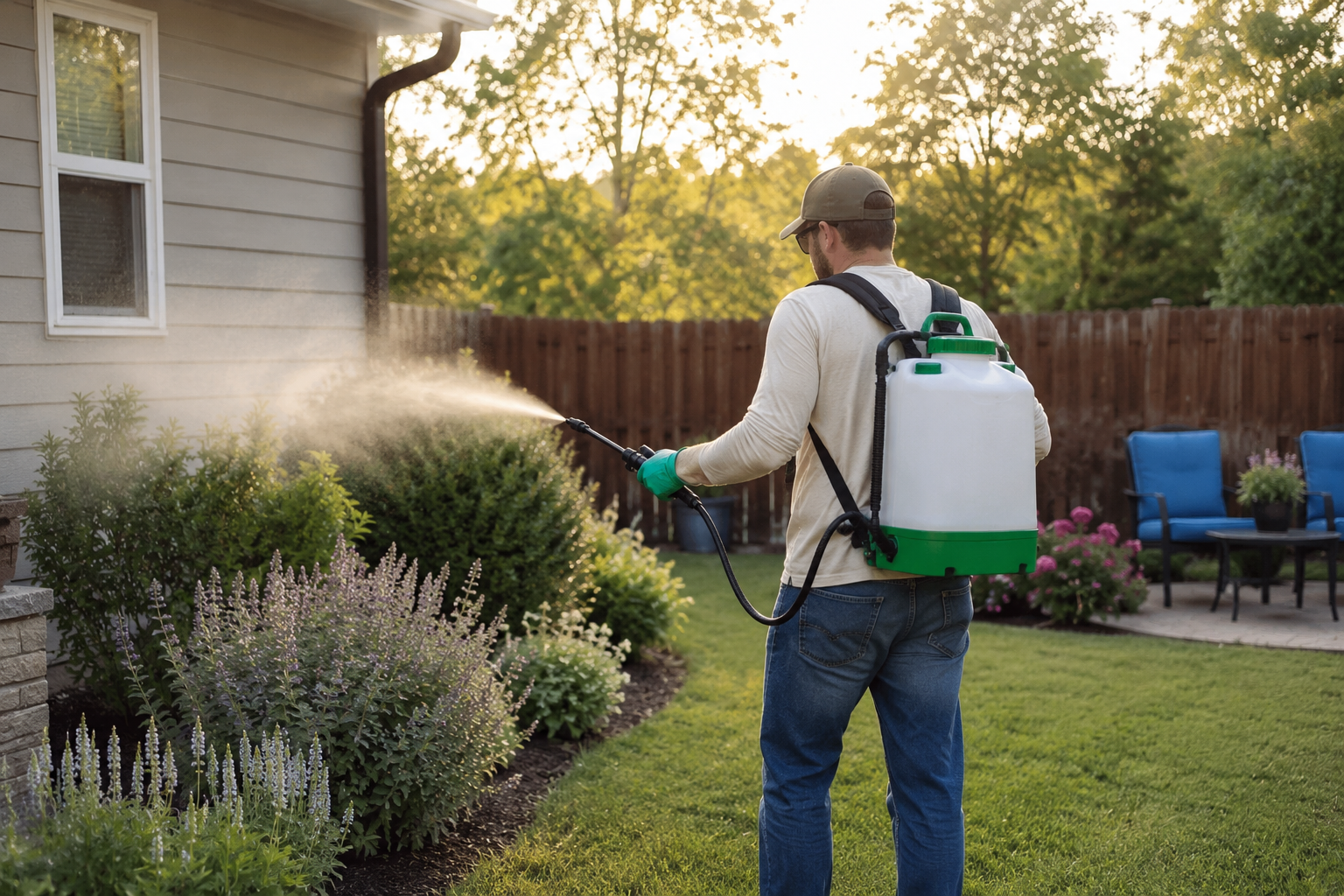
Outdoor sprays and yard treatments have also grown in popularity as a mid-tier solution between DIY repellents and full professional service. These products, when applied correctly to vegetation and resting areas, can reduce adult mosquito populations for several weeks at a time. However, application timing and coverage are critical, since missing key resting spots can leave much of the yard’s population untouched.
When to Bring in Professional Help
For households dealing with persistent infestations, particularly those near standing water sources like ponds, wetlands, or poor drainage areas, professional intervention often becomes necessary. Pest control companies typically combine larvicide application in breeding areas with barrier sprays targeting resting and feeding zones, offering a more comprehensive reduction than consumer products alone. Many providers also offer recurring seasonal plans, which tend to be more effective than one-time treatments since they interrupt multiple points in the mosquito life cycle over time.
Cost varies by property size and treatment frequency, but many homeowners find that recurring service pays for itself in the value of reclaimed outdoor time during peak season. Combined with consistent source reduction at home, professional support offers the most reliable path to a yard that stays usable throughout the warmer months.
Ultimately, mosquito control works best as a layered approach. No single method eliminates every mosquito, but combining habitat management, physical barriers, targeted repellents, and professional support when needed gives homeowners the strongest chance of reclaiming their outdoor spaces for the season.