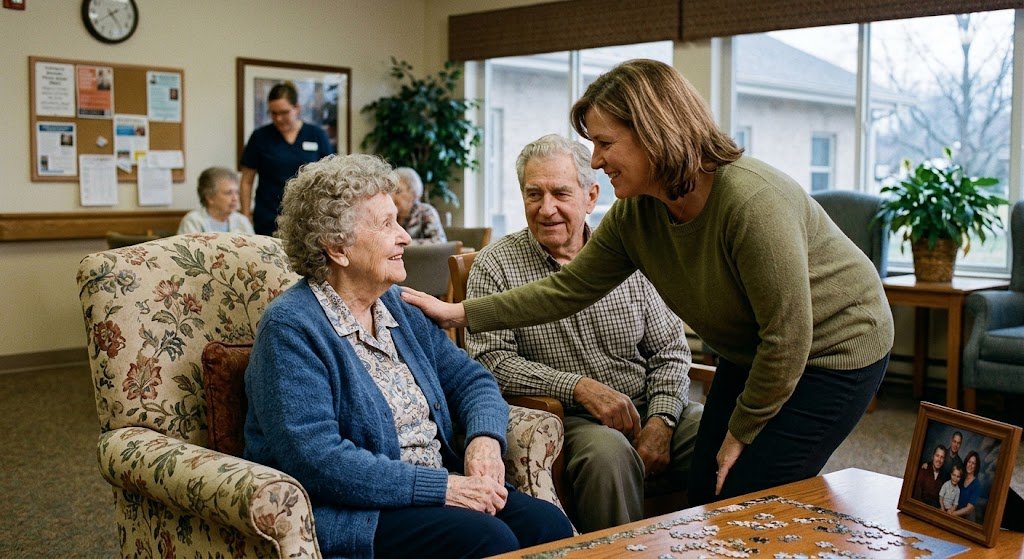
Visiting a parent or grandparent in a nursing home is never just another item on your calendar. It is one of the few windows you get into their daily life. Most families pick a visiting time that works for their own schedule, like a lunch break, a Sunday afternoon, or right after work. That habit feels natural, but it can also hide more than it reveals. If you want an honest picture of the care your loved one is getting, changing when you show up can teach you far more than sticking to a routine ever will.
Why Predictable Visits Only Show the Best Version
When staff know exactly when a family member usually walks through the door, they often prepare for it. Rooms get tidied, residents get dressed a little earlier, and everyone is on their best behavior for that hour. This is not always a deliberate cover-up. It is simply human nature, the same way most of us straighten up the house before guests arrive. But it means your regular visiting slot may only be showing you a polished snapshot instead of daily reality.
This does not mean every facility is hiding something. Many nursing homes genuinely provide excellent, consistent care no matter who walks through the door. Still, varying your visits gives you a more complete picture either way, and that peace of mind is worth the small effort.
Families who suspect something is wrong often do not know where to turn first. Some start by reading firsthand accounts from people who have already dealt with neglect or injury cases, since real experiences tend to explain what steps actually helped. Looking through Seay Felton reviews is one way to understand how other families approached similar situations and what questions they wished they had asked sooner. Hearing how someone else handled a hard conversation with a facility can make your own next move feel less overwhelming.
The Shift Change Window Tells a Different Story
Nursing homes run on shifts, usually early morning, afternoon, and overnight. The gap right before a shift change is often the most revealing time to visit. Staff are wrapping up notes, handing off duties, and sometimes stretched thin if someone called out sick. This is when you are more likely to see how residents are treated when nobody is rushing to impress a visitor.
Weekends and early evenings matter too. Staffing levels tend to drop during these hours, even though residents still need the same level of attention. If you always visit on a quiet Tuesday morning, you might be missing the exact hours when care quality dips the most.
What a Different Visit Can Actually Reveal
Small details add up fast once you start paying closer attention. Is your loved one still in pajamas at three in the afternoon? Is a call button sitting out of reach? Are meals arriving cold or being skipped altogether? Is the hallway quiet in a way that feels more empty than peaceful? None of these things alone means something is seriously wrong, but a pattern of them is worth noticing, and it is much easier to spot a pattern when you are not always seeing the facility at its most rehearsed.
This kind of neglect rarely announces itself. It builds slowly, and families often only connect the dots after a fall, an infection, or a hospital visit forces the issue into the open. That delay is part of a bigger pattern, since everyday situations can turn into serious legal and financial consequences without warning, especially when the person affected cannot easily speak up for themselves. Catching problems early, before they escalate, protects both your loved one and your own peace of mind.
Turning Observations into Action
If a surprise visit raises concerns, do not panic and do not confront staff in the moment. Instead, write down what you saw, including the date, time, and specific details. Talk to your loved one privately, away from staff, and ask open-ended questions rather than leading ones. Gentle questions like “how has your week been” often get more honest answers than “is anyone being mean to you.”
It also helps to know what experts recommend. According to guidance shared through AARP’s coverage on spotting elder abuse and neglect, behavioral changes, poor hygiene, and neglectful supervision are among the clearest warning signs families should watch for, and staying alert during unannounced visits is one of the most effective ways to catch problems early. Trust your instincts. You know your loved one better than any staff member does, and if something feels off, it is worth investigating further.
A Small Habit With a Big Payoff
Changing up your visiting schedule costs you nothing extra, yet it can tell you more about your loved one’s daily care than months of predictable Sunday visits. Drop by on a weekday evening. Show up during a shift change once in a while. Skip the phone call ahead of time occasionally. These small shifts in habit give you a clearer, more honest window into how your family member is really being treated, and that clarity is worth far more than convenience.