A well-maintained HVAC system is the backbone of a comfortable and energy-efficient home, yet many homeowners overlook simple steps that can save money and prevent premature system failure. Regular maintenance not only keeps your unit running smoothly but can also save you from expensive repairs and replacements in the long run. For anyone seeking to maximize efficiency and comfort, prompt attention to HVAC care is crucial. That’s why trusted solutions for air conditioning in Wichita Falls are so valuable, providing peace of mind through every season.
The life expectancy of your air conditioner depends on factors such as usage, environment, and, most importantly, your commitment to routine maintenance. A proactive approach ensures your unit doesn’t have to work harder than necessary, preventing strain and extending its operational years. Before cool breezes or scorching heat arrive, ensuring your HVAC is prepared keeps your home constantly comfortable while minimizing surprises and sudden repair costs.
In regions with extreme temperature swings, even the most reliable HVAC units will wear down if neglected. Making minor adjustments and maintaining preventive measures can lower your energy bills, improve indoor air quality, and ensure your system is available when you need it most. If it’s time to ramp up your maintenance routine, scheduling an air conditioner tune-up is a great place to start.
Staying informed about industry recommendations can help you make more informed choices about HVAC care. The U.S. Department of Energy emphasizes that routine cleaning and maintenance directly impact operating costs, energy savings, and the overall reliability of your air conditioner.
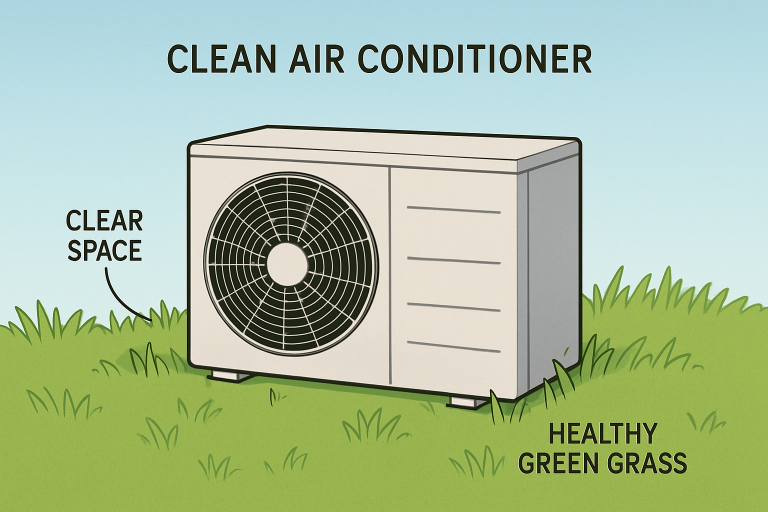
Table of Contents
- 1 Regular Filter Replacement
- 2 Cleaning Coils and Ductwork
- 3 Checking and Maintaining Refrigerant Levels
- 4 Clearing Debris Around the Outdoor Unit
- 5 Scheduling Professional Inspections
- 6 Monitoring Energy Bills
- 7 Investing in Quality System Improvements
- 8 Building Relationships with Professional Service Providers
Regular Filter Replacement
Dirty or clogged air filters put unnecessary strain on your cooling system, restrict airflow, and compromise indoor air quality. An overworked HVAC system becomes less efficient and more prone to breakdowns. Industry experts recommend checking filters monthly—especially during peak cooling times—and replacing them every one to three months. This simple step ensures your system continues to run at optimal efficiency, preventing dust and debris from accumulating on sensitive components.
Cleaning Coils and Ductwork
Evaporator and condenser coils accumulate dirt over time, inhibiting their ability to absorb and release heat. Likewise, build-up inside ductwork can impede airflow and distribute airborne pollutants throughout your home. Annual coil cleaning is recommended, while professional ductwork cleaning every three to five years keeps air circulating efficiently and enhances indoor air quality. Neglecting these components can lead to higher energy bills and increased wear on your equipment.
Checking and Maintaining Refrigerant Levels
Having the correct refrigerant charge is essential for proper cooling. Using too little refrigerant will force your air conditioner to work harder, reducing its lifespan. Common warning signs include diminished cooling performance or ice buildup on evaporator coils. Licensed HVAC professionals can quickly diagnose and correct low refrigerant issues, ensuring your cooling system doesn’t suffer from unnecessary wear or inefficiency.
Clearing Debris Around the Outdoor Unit
The outdoor condenser unit is susceptible to blockages from leaves, grass, and windblown debris. Ensuring at least two feet of clearance on all sides allows for adequate airflow and prevents overheating. Regularly inspect the exterior unit to remove obstacles and trim back vegetation. This practice reduces mechanical stress and lowers the risk of sudden breakdowns, especially during extreme summer heat.
Scheduling Professional Inspections
While basic homeowner maintenance is crucial, nothing replaces the precision of annual professional inspections. Trained technicians perform thorough assessments, including checking thermostat accuracy, lubricating moving parts, tightening electrical connections, and verifying refrigerant levels, to detect issues before they become significant problems. According to Bob Vila, scheduling expert maintenance once a year dramatically decreases the odds of expensive repairs or untimely failure.
Monitoring Energy Bills
Consistently reviewing your monthly utility bill is an underrated tool for early problem detection. Unexpected increases in energy usage often signal hidden inefficiencies, such as dirty filters, refrigerant leaks, or deteriorating components. By acting swiftly to resolve issues, you can reduce long-term expenses and avoid excessive system strain, reinforcing the importance of routine upkeep.
Investing in Quality System Improvements
Upgrading outdated parts or adding new features—such as programmable thermostats, smart controls, or enhanced insulation—can significantly boost both efficiency and system longevity. High-efficiency air filters and system zoning options also contribute to smoother operation and more consistent comfort. Making smart investments means your air conditioning system isn’t overworked, and you benefit from better performance and energy savings over time.
Building Relationships with Professional Service Providers
A strong partnership with a reputable HVAC company ensures consistent care and prompt service. Maintenance contracts offer benefits such as priority scheduling, discounts on repairs, and peace of mind knowing that a trusted provider is monitoring the health of your system. These lasting partnerships are crucial to sustaining peak performance year after year and are invaluable in times of emergency.
Proper HVAC maintenance is a long-term investment in your air conditioner’s health, home comfort, and wallet. By following these targeted steps, you’re setting your system—and your family—up for reliable, efficient cooling whenever it’s needed most.