 Seasonal changes affect more than just your wardrobe. Temperature shifts, humidity levels, and usage patterns all place different demands on household appliances. Many breakdowns happen not because appliances are old, but because they were not prepared for the season ahead. Whether summer heat or winter cold is around the corner, a few thoughtful steps can help prevent sudden failures, high repair bills, and unnecessary stress.
Homeowners who take time to prepare their appliances often extend their lifespan and maintain better performance throughout the year. In cities with fluctuating seasons like Charlotte, preparation is especially important. Professional services such as Appliance Repair in Charlotte often see a surge in service calls right after major seasonal transitions—many of which could have been avoided with early care.
Why Seasonal Preparation is Vital
Appliances are designed to operate within certain environmental conditions. When seasons change, those conditions shift. Refrigerators work harder in summer. Dryers face heavier use in winter. HVAC systems move from idle to constant operation. Without preparation, these changes lead to worn components, poor efficiency, and unexpected shutdowns.
Seasonal preparation also helps homeowners catch small issues early. A worn hose, clogged vent, or loose electrical connection may not seem urgent, but under heavier seasonal load, those issues can turn into costly problems.
Preparing Kitchen Appliances for Summer
Summer places extra strain on kitchen appliances due to higher temperatures and increased use.
Refrigerator and Freezer
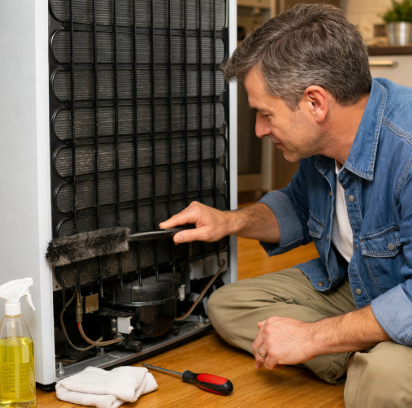
As temperatures rise, refrigerators must work harder to maintain safe food storage levels. Start by cleaning the condenser coils, which are usually located behind or beneath the unit. Dust buildup forces the motor to run longer, increasing energy use and wear.
Check door seals for cracks or looseness. A weak seal allows cold air to escape, making the unit run constantly. Replace damaged gaskets before peak summer heat arrives.
Also ensure there is enough airflow around the refrigerator. Crowding it against walls or cabinets traps heat and reduces efficiency.
Dishwasher
Summer humidity can affect dishwashers more than many homeowners realize. Inspect the filter and clean it thoroughly. Food residue combined with moisture can cause odors and poor drainage.
Run a cleaning cycle using vinegar or a manufacturer-approved cleaner to remove grease buildup. This step improves performance and reduces strain on internal components during frequent summer use.
Preparing Laundry Appliances for Seasonal Shifts
Laundry appliances experience different pressures depending on the season.
Washing Machine
Inspect water supply hoses for bulges, cracks, or leaks. Rubber hoses tend to weaken over time and may burst under pressure, especially during seasonal temperature changes. Replacing them with braided stainless steel hoses is a smart preventive step.
Clean the detergent drawer and run a maintenance wash to remove residue. Built-up soap can affect drainage and lead to mold growth, particularly in warm weather.
Dryer
Dryers are heavily used during colder months when outdoor drying is less practical. Before winter, clean the lint trap and inspect the exhaust vent. Lint buildup reduces airflow, increases drying time, and raises fire risk.
Ensure the vent is not crushed or blocked behind the machine. Proper airflow keeps the dryer running efficiently and safely during high-use periods.
Seasonal Care for Heating and Cooling Systems
HVAC systems undergo the biggest seasonal shifts of all.
Air Conditioning Units
Before summer, replace or clean air filters to improve airflow and indoor air quality. Dirty filters force the system to work harder and increase energy costs.
Inspect outdoor units for debris such as leaves, grass, or dirt. Clear at least two feet of space around the unit to ensure proper ventilation.
Listen for unusual noises during early operation. Strange sounds often indicate loose parts or motor issues that are easier to address before peak demand.
Heating Systems
Before winter, test the heating system early rather than waiting for the first cold night. This allows time for repairs without emergency scheduling.
Check thermostat settings and confirm they respond correctly. Uneven heating may signal duct issues or sensor problems that worsen during continuous winter use.
Water Heaters and Seasonal Demand
Hot water usage typically increases during colder months. Preparing the water heater ahead of time helps maintain reliability.
Flush the tank annually to remove sediment buildup, which reduces heating efficiency and shortens the unit’s lifespan. Sediment is more noticeable when hot water demand increases.
Inspect the pressure relief valve and surrounding connections for leaks. Even small leaks can worsen under winter conditions and lead to water damage.
Small Appliances Often Overlooked
Seasonal preparation should also include smaller appliances that see periodic heavy use.
Microwaves, coffee makers, space heaters, and dehumidifiers all benefit from inspection and cleaning before seasonal demand increases. Check power cords for wear and ensure vents are clear of dust.
For appliances stored part of the year, clean them thoroughly before storage and allow them to dry completely to prevent corrosion or mold.
When Professional Help Makes Sense
While many preparation tasks can be handled by homeowners, some signs indicate the need for professional attention. Repeated tripped breakers, burning smells, inconsistent performance, or visible damage should not be ignored.
Scheduling a service check before a season begins is often less expensive and less disruptive than calling for emergency repairs during peak periods. Professionals can identify hidden issues that are easy to miss but critical to long-term reliability.
Long-Term Benefits of Seasonal Appliance Care
Seasonal preparation reduces energy consumption, improves safety, and lowers repair frequency. Appliances that operate efficiently place less strain on electrical and mechanical components, leading to longer service life.
Homeowners who maintain appliances proactively also enjoy more consistent performance. Refrigerators stay colder, dryers work faster, and heating systems respond reliably when needed most.
In the long run, these habits translate into fewer breakdowns, lower utility bills, and better peace of mind throughout the year.