
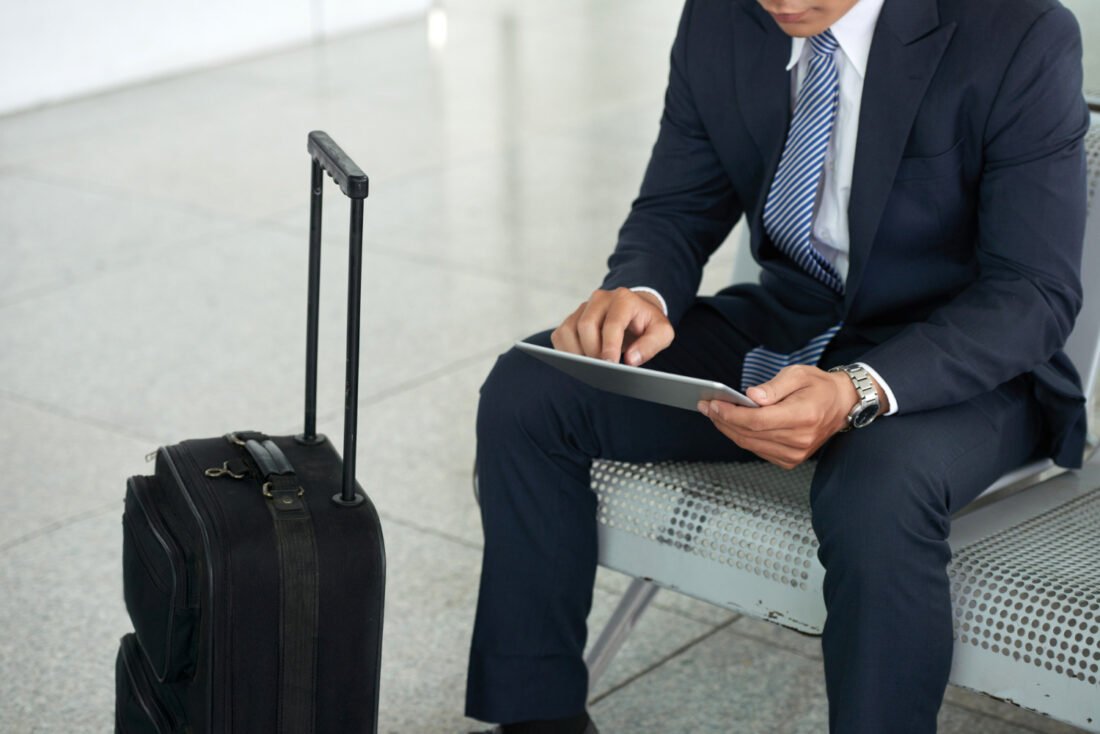
Business travel can be exciting and rewarding, but it also comes with unique challenges that leisure travelers rarely face. Between tight schedules, unfamiliar cities, and the pressure to perform professionally, safety concerns can easily take a backseat. However, staying safe while traveling for work should always be a top priority. Here are six essential safety tips that every business traveler needs to know before their next trip.
Research Your Destination Thoroughly
Before you board that plane, take time to research your destination beyond just the hotel and meeting locations. Understanding the local safety landscape can make a significant difference in your travel experience. Check travel advisories from official government sources and read recent reviews from other business travelers who’ve visited the area.
Pay attention to which neighborhoods are safe for walking at night and which areas you should avoid. Learn about common scams that target business travelers in that particular city. Knowing whether it’s safe to use ride-sharing apps or if you should stick with hotel-arranged transportation can save you from potentially dangerous situations. This preparation takes less than an hour but provides invaluable peace of mind throughout your trip.
Protect Your Digital Information
Business travelers are prime targets for cybercriminals because they often carry sensitive company information and valuable devices. Public Wi-Fi networks at airports, hotels, and coffee shops are notoriously insecure, making it easy for hackers to intercept your data.
Always use a virtual private network when connecting to public Wi-Fi. Keep your devices updated with the latest security patches and never leave your laptop, tablet, or phone unattended in public spaces. Consider using privacy screens on your devices when working in shared areas to prevent shoulder surfing. Back up critical data before you leave, and avoid accessing highly sensitive information while traveling unless absolutely necessary. Your company’s IT department likely has specific protocols for business travel, so make sure you’re following them.
Stay Alert in Hotel and Convention Spaces
Hotels and convention centers host thousands of visitors daily, creating environments where accidents and security issues can occur. While these venues typically maintain high safety standards, injuries can still happen. Wet floors, inadequate lighting in parking structures, poorly maintained facilities, or overcrowded spaces during large conferences can all pose risks.
Always be aware of your surroundings in these environments. Report any safety hazards you notice to hotel management immediately. If you do experience an injury due to negligence at a hotel or conference venue, document everything with photos and incident reports. In serious cases, you may need to consult a hotel convention center injury lawyer who specializes in premises liability to understand your rights and options for compensation.
Keep your hotel room door locked at all times and use the deadbolt and chain lock. Never open your door without verifying who’s on the other side through the peephole. If someone claims to be hotel staff but you didn’t request service, call the front desk to confirm before opening the door.
Maintain Communication and Share Your Itinerary
Someone back home should always know your travel plans. Share your complete itinerary with a trusted colleague, family member, or friend, including flight details, hotel information, meeting locations, and expected return times. Update them if your plans change.
Check in regularly, especially after arriving in a new city or after evening meetings. Many smartphones now have location-sharing features that allow trusted contacts to see your location in real-time. While this might seem excessive, it provides an important safety net if something goes wrong. Your employer may also have a business travel tracking system that you should use consistently.
Be Cautious with Transportation
Transportation presents some of the biggest safety risks for business travelers. Whether you’re using taxis, ride-sharing services, rental cars, or public transit, staying alert is crucial. When using ride-sharing apps, always verify the driver’s identity, license plate, and vehicle make and model before getting in.
If you’re renting a car, inspect it carefully before driving away from the lot. Familiarize yourself with the vehicle’s features and keep GPS navigation active so you don’t get lost in unfamiliar areas. Avoid driving when you’re jet-lagged or exhausted from a long day of meetings, as fatigue significantly increases accident risk.
When using public transportation, keep your belongings close and be aware of pickpockets in crowded stations or vehicles. Try to travel during daylight hours when possible, and stick to well-populated routes.
Trust Your Instincts
Perhaps the most important safety tip is the simplest: trust your gut feelings. If something feels wrong, it probably is. Whether it’s a person who makes you uncomfortable, a situation that seems sketchy, or a location that doesn’t feel safe, listen to your instincts and remove yourself from the situation.
Don’t let professional pressure override your personal safety. It’s better to miss a networking opportunity or arrive late to a meeting than to put yourself at risk. Your employer and colleagues will understand if you prioritize your safety.
Business travel doesn’t have to be stressful when you’re properly prepared. By following these six essential safety tips, you can focus on what matters most: achieving your professional goals while staying safe and secure.