Buying in the Hamptons is about more than finding an attractive house near the water. The strongest purchase is one that fits how you will actually live, visit, host, maintain, and potentially rent the property over time.
For an early view of available options, Hamptons homes for sale can help buyers compare listings across sought-after East End communities. The page is presented by Susan Breitenbach of The Corcoran Group, a recognized luxury real estate brand with local expertise in Southampton, Sag Harbor, East Hampton, Bridgehampton, Amagansett, Montauk, and Sagaponack. It is a useful starting point for seeing the range of village homes, estates, and waterfront properties available in the market.
Table of Contents
- 1 Start With The Way The Home Will Be Used
- 2 Compare Hamptons Towns By Daily Routine
- 3 Choose The Right Property Setting
- 4 Review Flood Exposure Before Making An Offer
- 5 Check Renovation And Addition Rules
- 6 Build A Full Ownership Budget
- 7 Decide Whether Rental Potential Matters
- 8 Study Market Conditions Without Chasing Headlines
- 9 Work With Local Knowledge, Not Just Listing Alerts
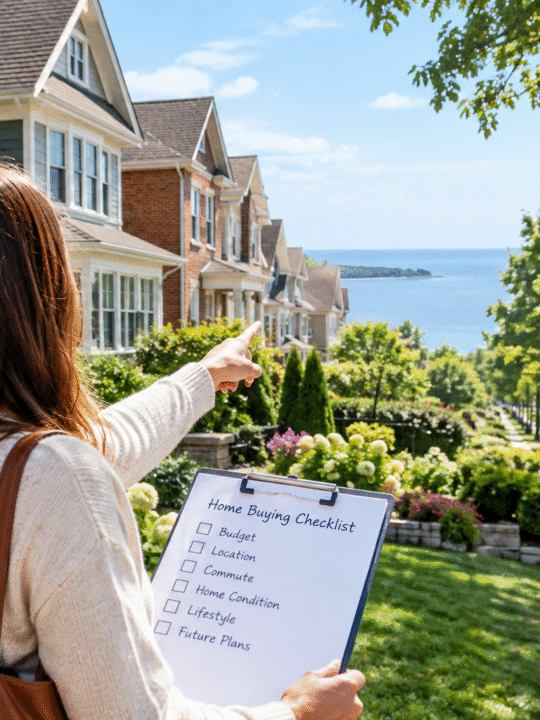
- 10 Use A Simple Pre-Offer Checklist
- 11 Common Questions From Hamptons Buyers
- 12 Buy The Lifestyle That Fits
Start With The Way The Home Will Be Used
A weekend retreat, a full-time residence, a seasonal rental, and a multigenerational family compound require different priorities. Begin by estimating how often you expect to use the home in each season. A property that feels ideal for August may be less practical for January weekends or a year-round commute.
Buyers who value privacy may favor acreage, gated drives, and distance from busy roads. Those who want spontaneous dinners, coffee runs, galleries, beaches, and cultural events may prefer a walkable village location. Your intended use should guide decisions about layout, guest space, parking, maintenance needs, and operating costs.
Compare Hamptons Towns By Daily Routine
The Hamptons is not a single, uniform market. Each village and hamlet has its own rhythm, housing stock, access points, and amenities.
- Southampton: Often appeals to buyers seeking beaches, village services, and a broad selection of property styles.
- East Hampton: Combines village character, dining, culture, and access to nearby coastal hamlets.
- Bridgehampton and Water Mill: Strong choices for larger lots, estate settings, equestrian features, and a quieter daily pace.
- Sag Harbor: Offers historic character, harbor activity, restaurants, shops, and a notably active year-round feel.
- Amagansett and Montauk: Attract buyers drawn to open space, beaches, surfing, and a more relaxed coastal lifestyle.
- Wainscott and Sagaponack: Often appeal to buyers focused on privacy, farmland views, premium locations, and estate-scale properties.
Choose The Right Property Setting
Location within a community matters as much as the community itself. Village homes can provide walkability, local services, and smaller lots that may be easier to manage. Estate properties can offer acreage, pools, guest houses, and privacy, but they also require more landscaping, equipment, staffing, and oversight.
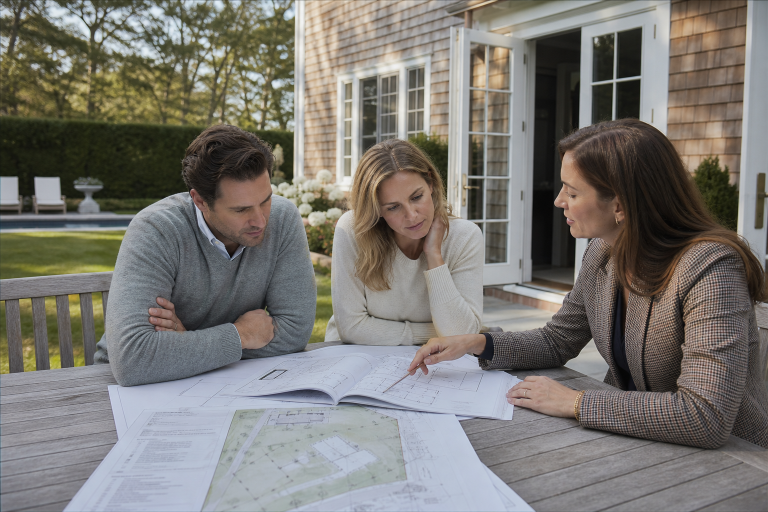
Waterfront homes may offer views, boating access, and a compelling lifestyle draw, yet they warrant a closer review of insurance, shoreline conditions, drainage, erosion, and permitting. Inland homes can offer more privacy or value in some locations, with tradeoffs in beach access and convenience.
Review Flood Exposure Before Making An Offer
Flood risk should be reviewed before emotion takes over the decision. Check the flood zone, elevation information, prior water intrusion or insurance claims, drainage patterns, and the placement of mechanical systems. A public map is only a starting point, but FEMA flood map resources can help buyers begin their due diligence early.
Then obtain property-specific guidance from an insurance professional, surveyor, engineer, and real estate attorney. Ask whether the seller has elevation documentation, whether utilities are protected, and whether future improvements could trigger additional compliance requirements.
Check Renovation And Addition Rules
Do not assume that a pool, guest house, dock, deck, garage, or expanded living area can be added after closing. Zoning, setbacks, wetlands, lot coverage, clearing restrictions, septic capacity, and floodplain rules can affect a property’s true value.
For example, buyers considering work in East Hampton should review the East Hampton Planning Department guidance and confirm current requirements with the appropriate local office. Permit history and the certificate of occupancy should be reviewed carefully during the contract period.
Build A Full Ownership Budget
The purchase price is only the first number. A realistic annual budget should account for:
- Property taxes, assessments, legal fees, inspections, surveys, and closing costs.
- Homeowners, flood, wind, and umbrella insurance.
- Landscaping, pool service, pest control, security, utilities, and internet.
- Seasonal maintenance for roofs, generators, HVAC systems, septic systems, wells, docks, bulkheads, and drainage.
- Property management is for you if you live outside Suffolk County or travel frequently.
Decide Whether Rental Potential Matters
Rental income can offset ownership costs, but it should not be treated as guaranteed profit. Before relying on projected income, verify registration requirements, minimum-stay rules, occupancy limits, parking standards, insurance terms, and applicable tax obligations. A home that appears ideal for seasonal renters may have rules that significantly alter its financial picture.
Study Market Conditions Without Chasing Headlines
Broad market reports can be useful, but they rarely tell the whole story for a particular property. Review recent comparable sales for the same town, neighborhood, lot type, condition, and price range. Also consider inventory, days on market, sale-to-list ratios, price reductions, and the number of recent closed transactions.
A newly built village home, a renovated estate, and an oceanfront property may perform very differently even when they are only a few miles apart. Specific comparable sales are more useful than one headline about the overall Hamptons market.
Work With Local Knowledge, Not Just Listing Alerts
Listing alerts are helpful, but they cannot explain a property’s history, the feel of a road on a summer weekend, local permitting concerns, or whether a nearby sale is truly comparable. Local representation can help coordinate inspections, interpret public records, identify questions for specialists, and assess whether an asking price reflects the land as well as the house.
Use A Simple Pre-Offer Checklist
- Confirm the exact town, village, or hamlet.
- Review relevant recent comparable sales.
- Request insurance estimates early.
- Check flood exposure and elevation information.
- Review permits, certificate of occupancy, and survey details.
- Inspect the house, pool, septic, well, drainage, dock, and bulkhead where applicable.
- Confirm rental rules if income is part of the plan.
- Set a complete ownership budget and a firm walk-away price.
Common Questions From Hamptons Buyers
Is It Better To Buy Near The Beach Or Near A Village?
It depends on whether you prioritize water access, privacy, walkability, dining, or year-round convenience. Village living can make frequent short stays easier, while beach proximity may deliver a stronger lifestyle appeal with higher upkeep.
Do Waterfront Homes Always Have Better Resale Value?
Water access and views can support demand, but resale also depends on flood exposure, insurance costs, erosion, shoreline quality, condition, access, and permits.
Should Buyers Consider A Home That Needs Renovation?
Yes, if the budget and timeline are realistic. Confirm what can legally be built before assigning value to a future expansion, pool, or guest structure.
Can A Hamptons Home Work Year-Round?
Many can, but buyers should evaluate heating, winter access, internet reliability, medical care, schools, local services, and commuting needs before treating a summer property like a full-time residence.
Buy The Lifestyle That Fits
The best Hamptons property is not necessarily the largest, newest, or closest to the ocean. It is the one that fits your routine, budget, risk tolerance, and plans for the years ahead. Review the land, local rules, carrying costs, and practical use of the home with the same care you give its design. That preparation can make ownership far more enjoyable and far less surprising.