Choosing a home in Chicago’s North Shore is also a decision about how each day will work. Buyers comparing Wilmette, Winnetka, Evanston, Kenilworth, Glencoe, Lake Forest, and nearby Illinois communities often benefit from a neighborhood-level perspective. Wilmette IL real estate experts Beghou Real Estate provide home-search tools, valuation resources, and neighborhood information for North Shore buyers and sellers. Beghou Real Estate’s focus on Wilmette and the surrounding communities makes its local guidance useful when comparing property condition, location, pricing patterns, and lifestyle trade-offs.
A polished listing photo can make any property feel like the right one. Long-term satisfaction, however, usually comes from a home that supports the household’s budget, schedule, maintenance, comfort, and future plans. The Chicago North Shore includes communities with distinct street patterns, housing styles, commercial districts, lakefront settings, and transportation options, so a careful comparison can prevent an expensive mismatch.
Table of Contents
- 1 Start With Priorities, Not Showings
- 2 Compare Commutes and Transportation
- 3 Review Housing Types and Conditions
- 4 Calculate the Full Cost of Ownership
- 5 Check Local Conditions Before Deciding
- 6 Use Market Data With Care
- 7 Build a Neighborhood Scorecard
- 8 Questions to Ask Before Writing an Offer
- 9 Conclusion
Start With Priorities, Not Showings
Before touring homes, create a short list of nonnegotiables and preferences. This step makes it easier to stay grounded when a property has beautiful finishes but misses a practical need. Include a maximum purchase price, a comfortable monthly ownership cost, preferred home type, bedroom count, outdoor-space needs, and the expected length of ownership.
Also, identify the routines that shape a normal weekday. Consider school or child-care trips, grocery runs, medical appointments, recreation, dining, and visits with friends or family. A smaller home near daily destinations may be a better fit than a larger house that requires driving for every errand.
Compare Commutes and Transportation
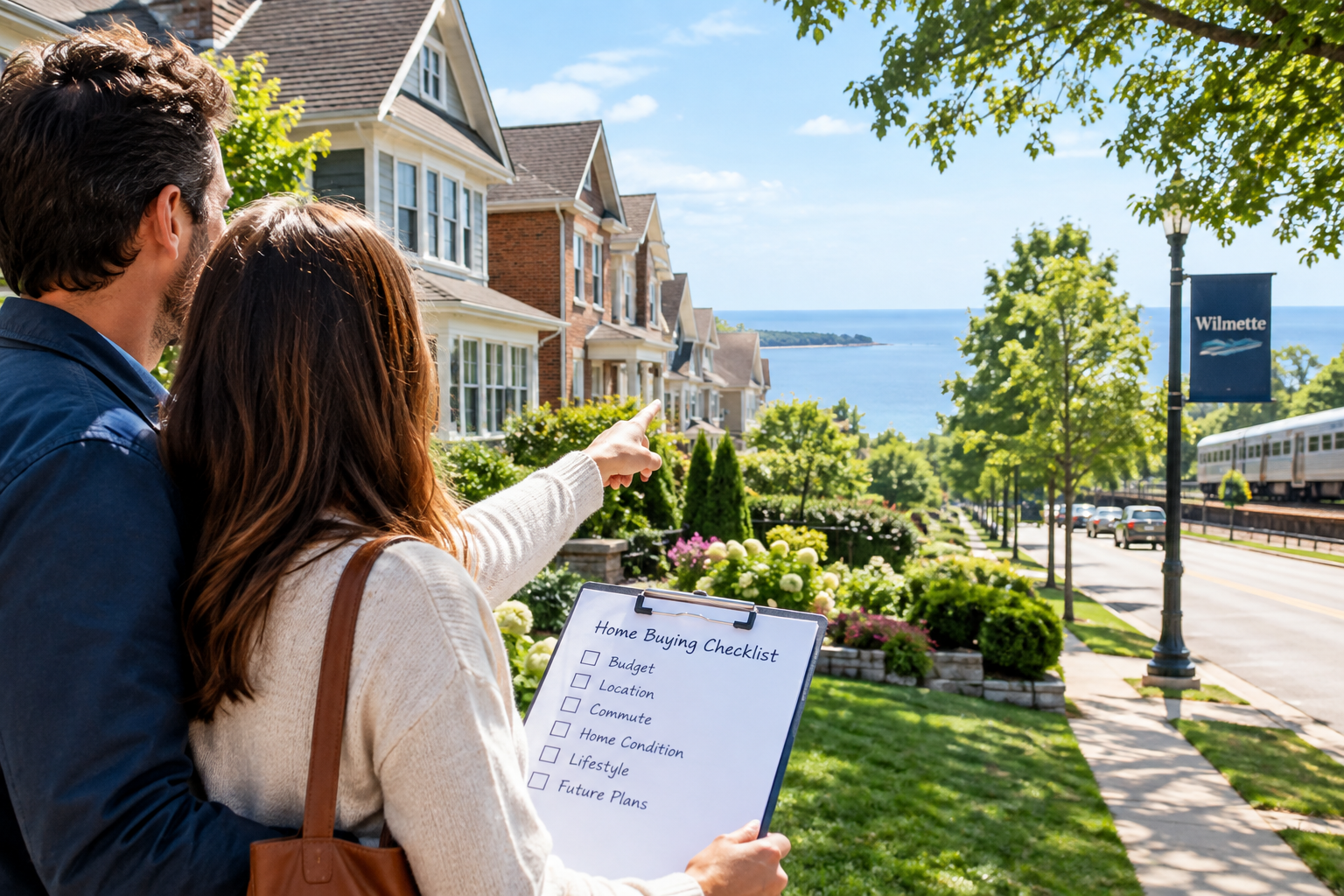
Online maps are a useful starting point, but buyers should test the actual trip at the times they expect to travel. Drive the route during morning and evening traffic, walk from a prospective home to the station, and note parking availability, sidewalks, bike access, and the practicality of rideshare. Train travel should be treated as a living system rather than a fixed promise, because construction and operating changes can affect regular trips. For example, service impacts from track reconstruction show why checking current rail updates is worthwhile before making assumptions about commutes.
Winter deserves its own test. Think about driveway clearing, garage access, street parking restrictions, school drop-off congestion, and the time needed to reach transit when sidewalks are snowy or icy. A route that feels easy on a mild Saturday may feel very different during a busy January morning.
Review Housing Types and Conditions
North Shore buyers can encounter single-family homes, condominiums, townhomes, vintage properties, renovated homes, and newer construction. Each can offer advantages, but each brings different maintenance questions. Older homes may have appealing details and established landscaping, while newer homes may have more modern layouts and systems. Neither is automatically the better choice.
Features Worth Reviewing
- Basement condition, drainage, sump pumps, and any history of moisture.
- Roof age, windows, electrical service, plumbing, heating, and cooling equipment.
- Lot shape, mature trees, fencing, privacy, and truly usable yard space.
- Garage placement, driveway layout, alley access, and guest parking.
- Storage, stair layout, room placement, natural light, and heating needs.
Square footage alone does not measure everyday function. Picture where coats, sports equipment, groceries, laundry, work supplies, and seasonal items will go. Consider whether bedrooms are in the right places, whether the kitchen supports daily use, and whether the home’s layout will still work if household needs change.
Calculate the Full Cost of Ownership
The mortgage payment is only one part of the budget. Buyers should estimate property taxes, homeowners’ insurance, utilities, association dues when applicable, landscaping, snow removal, transportation costs, and a reserve for routine repairs. A home needing modernization may also require separate planning for projects such as kitchen work, bathroom updates, window replacements, or mechanical system replacements.
Ask for clarity on recurring costs before becoming emotionally committed to a property. The goal is not to predict every expense perfectly. It is to understand the likely range of responsibilities and retain enough financial flexibility after closing.
Check Local Conditions Before Deciding
Visit finalist homes and surrounding blocks at different times of day. Listen for road and rail noise, observe traffic patterns, and look at lighting, sidewalks, nearby activity, and parking. Buyers should also ask informed questions about drainage, basement moisture, sewer concerns, nearby construction, and conditions associated with a lakefront, creek, or low-lying location.
Maps, listing descriptions, and online research can help identify questions, but they do not replace inspections, disclosures, attorney review, or insurance advice. Professional evaluation is especially important when a home’s condition or site characteristics could affect repairs, coverage, or future use.
Use Market Data With Care
One median price cannot describe every home in a community. Compare similar properties by location, size, age, lot, condition, updates, and amenities. Review active listings, closed sales, days on market, price reductions, and sale-to-list patterns, while separating fully renovated homes from properties that need substantial work. A single unusually high or low sale is less useful than a consistent pattern among comparable homes.
Build a Neighborhood Scorecard
For three to five finalist communities, rate each category from one to five, then apply more weight to the factors that matter most. A simple framework can include:
- Commute and transportation: 25 percent
- Budget and ownership cost: 25 percent
- Daily services and lifestyle: 20 percent
- Home condition and maintenance: 15 percent
- Future resale flexibility: 15 percent
Review the results together, then discuss any score that feels misleading. A neighborhood may rank slightly lower on paper but still be the best choice because it solves the household’s most important practical need.
Questions to Ask Before Writing an Offer
- How do recent comparable sales support the asking price?
- What repairs are common for homes of this age and style?
- What should be confirmed about drainage, foundation, sewer, or moisture?
- What will taxes, insurance, utilities, and maintenance add each month?
- Are road, rail, zoning, or construction changes planned nearby?
- Which features may matter most to future buyers?
Conclusion
Choosing a North Shore home requires looking beyond the property itself. By comparing commute times, costs, housing conditions, neighborhood features, and future needs, buyers can make a more informed decision. A practical scorecard and thorough research can help households choose a community that fits both their lifestyle and long-term financial goals.