Age-related macular degeneration (AMD) is one of the leading causes of central vision loss, particularly among older adults. While the condition cannot currently be cured, advances in dry AMD treatment have given patients and eye specialists more options than ever before for managing the disease. Understanding what these treatments can and cannot achieve is important for setting realistic expectations and making informed decisions about long-term eye care.
The effectiveness of treatment depends on several factors, including the stage of dry AMD, the overall health of the patient and how early the condition is diagnosed. Although treatment cannot restore vision that has already been lost, many approaches are aimed at slowing progression and preserving useful eyesight for as long as possible.
One of the biggest developments in recent years has been the introduction of therapies designed specifically for certain advanced forms of dry AMD. Alongside these newer treatments, lifestyle measures, nutritional support and regular monitoring continue to play an important role in managing the condition.
Treatment Goals
Rather than focusing on reversing existing damage, treatment is generally intended to:
- Slow the progression of the disease.
- Preserve remaining central vision.
- Monitor changes before complications develop.
- Support long-term eye health.
- Help patients maintain independence for as long as possible.
These objectives guide treatment decisions throughout every stage of the condition.
Nutritional Support
For some people with intermediate AMD, nutritional supplements may form part of an overall management plan. Specific vitamin and mineral combinations have been studied extensively and may help reduce the risk of progression in certain patients.
These supplements are not suitable for everyone, however, and they should only be taken following advice from an eye care professional who can determine whether they are appropriate based on an individual’s condition and medical history.
Maintaining a balanced diet that includes leafy green vegetables, colourful fruits and foods rich in omega-3 fatty acids may also contribute to overall eye health, although dietary changes alone are not considered a treatment for AMD.
New Medical Treatments
Medical research has expanded the range of treatment options available for some patients with advanced dry AMD.
New therapies have been developed to target biological processes involved in disease progression, with the aim of slowing the enlargement of areas affected by geographic atrophy. These treatments represent a significant step forward because, until recently, there were very few medical interventions available specifically for advanced dry AMD.
Not every patient will be suitable for these treatments, and eye specialists carefully assess individual circumstances before recommending them.
The Importance of Monitoring
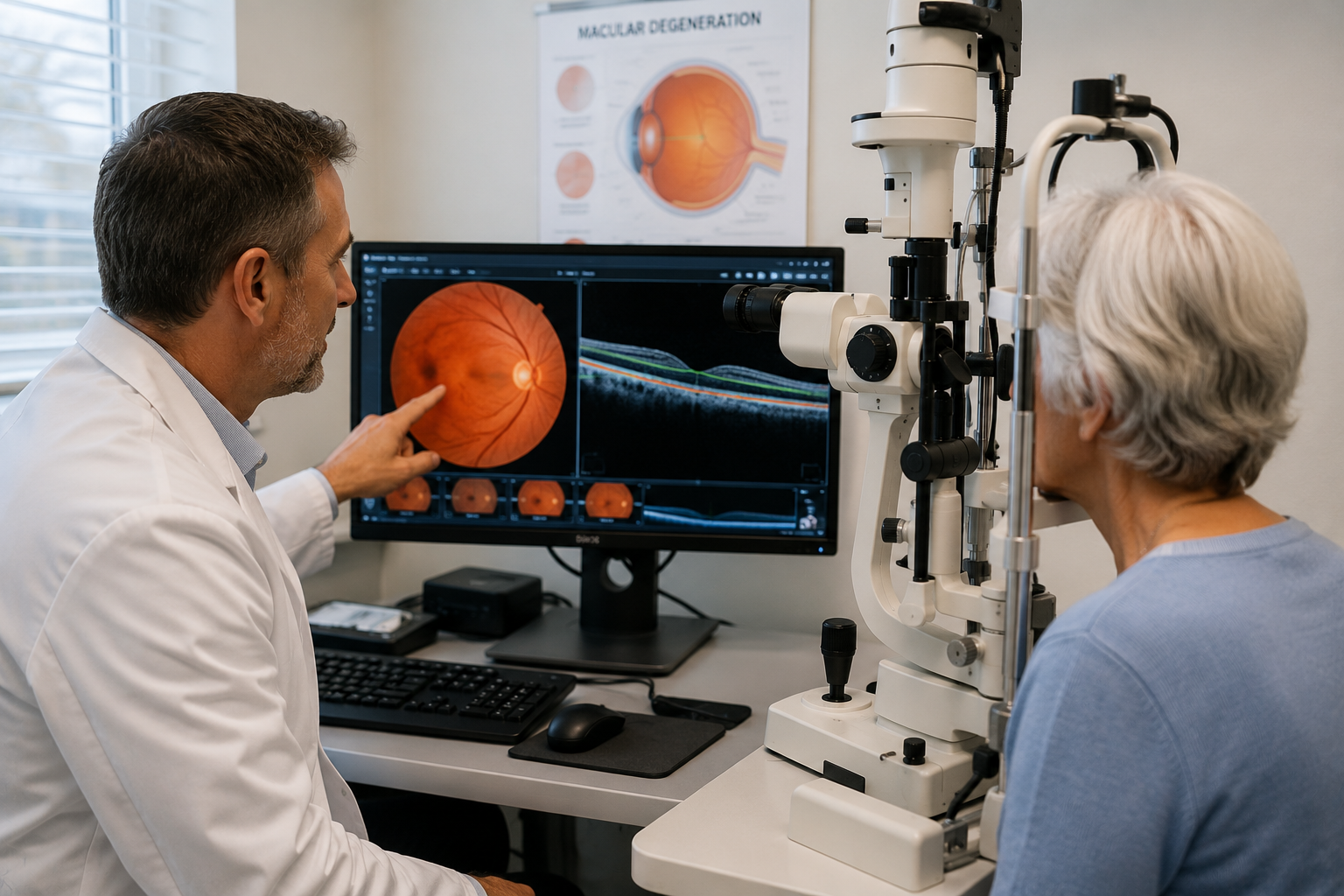
Regular eye examinations remain one of the most valuable aspects of managing dry AMD.
Routine monitoring allows eye specialists to detect changes that may indicate disease progression or the development of wet AMD, which requires a different treatment approach. Early identification of these changes often allows treatment to begin sooner, improving the opportunity to protect remaining vision.
Many patients are also encouraged to monitor their vision at home between appointments and report any sudden changes promptly.
Lifestyle Factors
Although lifestyle changes cannot stop AMD, they may support overall eye health and reduce the impact of certain risk factors.
Positive lifestyle habits include:
- Not smoking.
- Managing blood pressure.
- Maintaining a healthy weight.
- Staying physically active.
- Attending regular eye examinations.
These measures contribute to general health while supporting ongoing eye care.
Looking Ahead
Research into dry AMD continues at a rapid pace, with scientists exploring new medicines, gene-based therapies and regenerative approaches that may offer additional options in the future. Clinical trials are expanding understanding of the condition and helping researchers identify new ways to slow progression or protect retinal cells.
While not every experimental treatment will become widely available, continued investment in research offers hope that management options will continue to improve over the coming years.
Understanding What Treatment Can Achieve
The question of whether dry AMD treatment can slow vision loss does not have a single answer because outcomes vary between individuals and depend on the stage of the disease. For many patients, however, current treatment strategies can play an important role in slowing progression, preserving useful vision and helping maintain quality of life.
Early diagnosis, regular monitoring and personalised treatment planning remain central to achieving the best possible outcome. By working closely with an eye specialist and following an appropriate management plan, many people with dry AMD are able to continue enjoying everyday activities while reducing the risk of further vision loss.