Putting a dollar figure on a car accident claim takes more than adding the first stack of bills. No single receipt shows how an injury affected work, daily routines, future treatment, or the value of a damaged vehicle. Experienced accident attorneys usually build the number piece by piece, then check whether the evidence actually supports it.

Table of Contents
- 1 1. Adding Up Medical Bills and Other Out-of-Pocket Costs
- 2 2. Looking at How Much Work and Income You Missed
- 3 3. Considering Whether You’ll Need More Treatment Later
- 4 4. Reviewing How the Injuries Have Affected Your Daily Life
- 5 5. Factoring in Vehicle Damage and Other Property Losses
- 6 6. Checking How Fault Could Affect the Value of the Claim
- 7 7. Comparing the Evidence With Similar Accident Claims and Settlements
1. Adding Up Medical Bills and Other Out-of-Pocket Costs
Medical expenses often form the easiest part of the claim to see, but even that total can be incomplete. Receipts may include emergency care, imaging, specialist visits, physical therapy, prescriptions, braces, and travel to appointments. Smaller costs such as parking, over-the-counter supplies, or medical equipment can disappear from memory if nobody tracks them. Together, those records help a car accident attorney see what the injury has already cost. Anyone searching for a car accident attorney near me may be asked to bring bills, insurance statements, receipts, and payment records so the calculation does not depend on guesswork.
2. Looking at How Much Work and Income You Missed
Income loss can be much wider than a few unpaid days. Pay stubs, schedules, employer letters, commission records, and overtime history may show what the injured person normally earned before the crash. Self-employed workers may need tax records, invoices, calendars, canceled jobs, or business records to show income that disappeared during recovery.
Future earning problems matter too when an injury changes what someone can physically do. Reduced hours, lighter duties, missed promotions, or an inability to return to the same kind of work may affect long-term earnings. Someone looking for accident attorneys near me may need help separating a short-term wage claim from a larger loss of earning ability that could continue well after the auto accident.
3. Considering Whether You’ll Need More Treatment Later
Recovery does not always end when settlement talks begin. Doctors may still recommend therapy, injections, surgery, diagnostic testing, medication, or follow-up visits months down the road. Projected care can change the value of the claim because accepting a settlement before those needs are understood may leave the injured person paying later costs alone. Treatment plans, specialist opinions, and medical records give an auto accident lawyer near me a firmer basis for discussing future expenses. That estimate should come from medical evidence rather than a rough personal guess.
4. Reviewing How the Injuries Have Affected Your Daily Life
Injuries can change ordinary routines in ways a medical bill never shows. Pain may interfere with sleep, driving, exercise, household chores, childcare, hobbies, or simply sitting through a workday. Daily limits can matter when attorneys evaluate pain, suffering, mental distress, and loss of enjoyment after a serious car accident.
Family members, coworkers, and friends may also notice changes that the injured person has started treating as normal. Journals, medical notes, therapy records, and testimony can help show how long those limits lasted and whether they improved. Here, an auto accident lawyer is not assigning a price to inconvenience with a simple formula; the lawyer is looking at duration, severity, treatment, credibility, and the effect on normal life.
5. Factoring in Vehicle Damage and Other Property Losses
Property losses deserve their own review instead of being buried under the injury claim. Repair estimates, supplemental shop bills, towing charges, storage fees, rental costs, and total-loss valuations can show the financial effect on the vehicle. Total-loss disputes may also involve mileage, trim level, condition, recent repairs, and comparable vehicles in the local market. Personal items damaged inside the car, such as a phone, laptop, glasses, or child safety equipment, may add another layer. Drivers searching for accident attorneys near me can bring those records so the property side of the auto accident is not reduced to the insurer’s first estimate.
6. Checking How Fault Could Affect the Value of the Claim
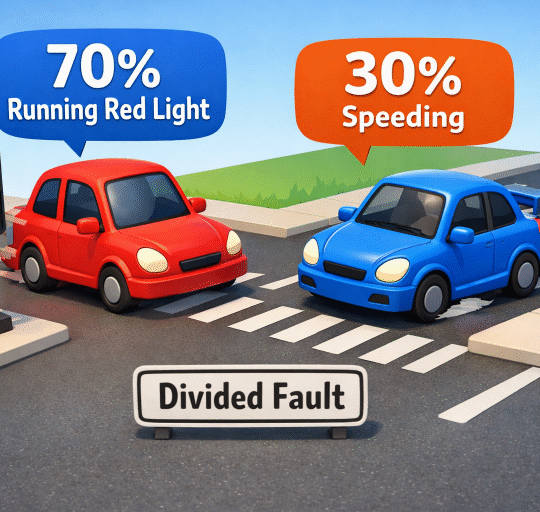
Alabama uses a strict contributory negligence rule, which makes fault a major part of claim evaluation. Contributory negligence can bar recovery in a negligence case if the injured person is legally found to have contributed to the crash. Evidence about lane position, speed, braking, traffic signals, phone use, road conditions, and vehicle movement can therefore affect much more than the negotiation tone.
Adjusters may raise blame arguments even when the injured driver believes the other person clearly caused the wreck. Photos, dashcam footage, witness statements, police information, vehicle damage, and road evidence can test whether those arguments hold up. People who search for an auto accident lawyer near me often do so after the insurer begins questioning fault, because a strong damages calculation means little if liability cannot be supported.
7. Comparing the Evidence With Similar Accident Claims and Settlements
Comparable cases can provide useful context, but they do not create a price list for injuries. Prior results may involve different medical histories, insurance limits, crash facts, counties, witnesses, treatment needs, or evidence, so accident attorneys still have to value the current claim on its own record. Insurance coverage also places practical limits on what may be available from a particular policy, and additional responsible parties can change the picture. Wolfe Jones can review a car accident by putting medical expenses, lost income, future care, daily-life effects, property damage, fault evidence, and available coverage in the same file. Their attorneys can then use those details to build a settlement demand grounded in the actual losses rather than a generic calculator or an insurer’s opening number.