Moving fine art in New York, NY, involves more than getting an object from one address to another. Apartment buildings, galleries, brownstones, office towers, curbside loading rules, and limited elevator access can all affect how safely a piece travels. Understanding the preparation that careful fine art services should involve helps owners protect their valuable collections.
A successful plan considers the object, the route, the environment, and the destination as one process. The goal is not simply to avoid a drop or scrape. It also prevents pressure on fragile surfaces, uncontrolled shifting in transit, moisture exposure, and damage from rushed unpacking.
Table of Contents
Planning Before the Move
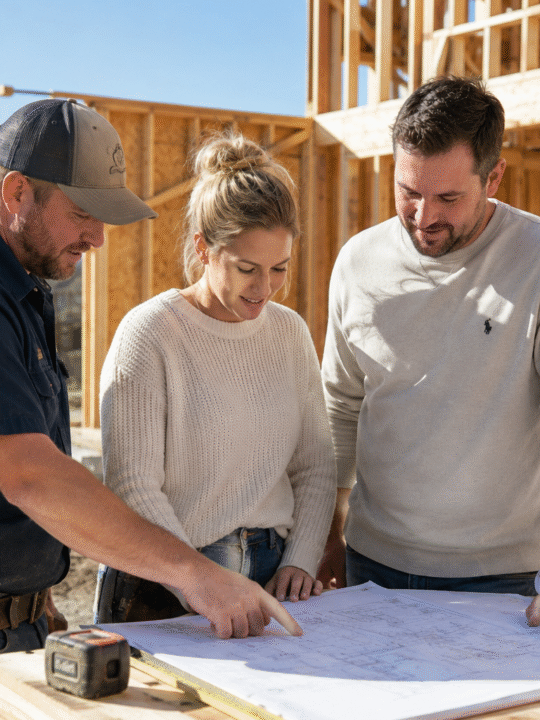
Start by measuring the artwork, its frame or base, and the full route from pickup to final placement. In New York, that means confirming door widths, stair turns, elevator dimensions, loading-dock rules, parking arrangements, and any certificate-of-insurance requirements imposed by a building. A large framed painting may fit inside a living room, but still be unable to pass safely through the lobby entrance or elevator.
Timing also matters. Rain, snow, high summer humidity, construction activity, and busy street conditions can complicate a move. Confirm who will open each location, where the vehicle can stop, and whether the installation area will be ready when the work arrives.
Antique furniture and decorative objects require the same route planning, especially when they have veneers, protruding hardware, fragile joinery, or original finishes. A well-planned antique moving & transport process should account for the object’s weak points before it’s lifted, wrapped, or placed in a vehicle.
Assessing the Artwork Before Transport
Record the artwork’s dimensions, approximate weight, materials, frame construction, mounting hardware, and visible condition before packing begins. Take clear photographs of the front, back, corners, edges, labels, and any existing damage. This establishes a useful reference if the work is being sold, loaned, exhibited, restored, or placed into storage.
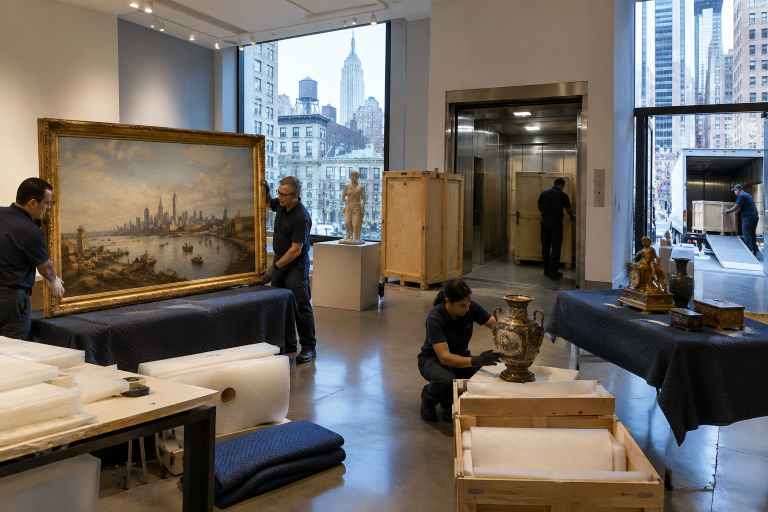
Look closely for loose paint, cracked glass, unstable frames, projecting elements, weak joints, lifting veneer, or surfaces that could be marked by contact. A work’s construction should guide every later decision. A sturdy-looking sculpture may have a delicate attachment point, while a heavy antique mirror may rely on an older frame that needs support from below.
Packing for Different Materials
Packing should prevent movement without directly applying pressure to vulnerable surfaces. Research on shock, vibration, and changing environmental conditions during art transport underscores the importance of crates, cushioning, and careful handling in risk control.
Match Protection to the Object
- Paintings: Protect the face from contact, support the frame, use corner protection, and avoid placing materials against an uncured or delicate painted surface.
- Photographs and works on paper: Use clean enclosures, apply low pressure, and protect against moisture and bending.
- Sculptures: Use custom supports that prevent tipping, shifting, or stress on thin projections and attached components.
- Antiques: Pad vulnerable details such as handles, feet, decorative carving, and glass, while supporting the strongest structural areas.
Basic wrapping may be sufficient for a stable, low-risk object moving a short distance. At the same time, a rigid crate may be appropriate for a fragile, valuable, unusually shaped, or long-distance shipment. Tape, foam, plastic, blankets, and other materials should never be allowed to damage finishes or adhere to delicate surfaces.
Climate and Environmental Conditions
Sudden shifts in temperature and relative humidity can affect materials differently. Wood and canvas can respond to moisture changes, paper can distort or absorb moisture, and adhesives or coatings may be sensitive to heat. The practical objective is usually a stable, protected environment rather than forcing every object into a single universal condition.
Keep art away from direct sunlight, heaters, air vents, damp floors, and exterior walls when possible. For sensitive pieces or longer moves, data loggers can record temperature and humidity. The museum collection guidance maintained by the National Park Service also reflects the importance of documenting, preserving, and protecting collection objects through each stage of care.
Handling, Loading, and Delivery
Safe handling relies on clean work areas, steady lifting positions, and clear communication. Gloves are not right for every object. They can reduce fingerprints on some surfaces but may reduce grip on others, so the safest handling method depends on the material and condition of the work.
- Inspect the packed item and clear the full route.
- Confirm destination access before lifting begins.
- Lift from stable support points, not handles, decorative features, or weak frame members.
- Move slowly across thresholds, ramps, corners, and elevator gaps.
- Secure packages or crates so they cannot slide or tip in transit.
- Inspect the piece again after delivery and before installation.
Short-Term Storage and Installation
Temporary storage still requires a clean, dry, secure, and organized location. Keep art off the floor, avoid leaning framed works at unsafe angles, label each package clearly, and leave enough aisle space to retrieve one item without moving several others. Basic inventory records, access control, pest checks, and an emergency plan support safer storage.
Delivery and installation should be planned together. Confirm wall strength, hanging hardware, mounting height, lighting, viewing distance, and room traffic before unpacking a large or fragile piece. The installation area should be clean, dry, and free from active construction, painting, or other work that may create dust or accidental contact.
Common Mistakes and a Quick Checklist
Mistakes to Avoid
- Measuring doorways or elevators at the last minute.
- Using loose plastic, household blankets, or unsuitable tape against delicate art.
- Skipping pre-move photographs and condition documentation.
- Leaving art in an attic, basement, garage, or unprepared vehicle.
- Assuming every artwork can be packed and handled the same way.
- Failing to complete a final inspection after arrival.
Fine Art Movement Checklist
- Artwork measured, photographed, and assessed.
- Pickup and delivery routes inspected.
- Packing sis elected for the object’s materials and condition.
- Weather, climate exposure, and vehicle security are considered.
- A storage or installation area should be prepared in advance.
- Final condition check completed after delivery.
Fine art movement in New York, NY, is safest when planning begins well before moving day. Careful assessment, appropriate protection, stable handling, and a ready destination help protect artwork through transport, storage, and installation.