A hiking trail does not need to be especially long, difficult or famous to become a favorite. Sometimes a route earns repeat visits simply because it is enjoyable, convenient and offers enough variety to keep things interesting. Steven Rindner’s interests in hiking, running and cycling all involve spending time outdoors and experiencing terrain in different ways. For hikers, returning to the same trail can be part of that experience. Weather changes, seasons shift, and a different pace or route choice can make a familiar place feel different from the last visit.
The Santa Monica Mountains offer plenty of room for that kind of hiking. According to the National Park Service, more than 500 miles of public trails cross the range, from shorter, flatter routes to steep climbs with views of the mountains and Pacific Ocean. A hiker can return to the same area and start from another trailhead, add a connecting trail for a longer day, or choose a shorter loop when time is limited. Even without changing the route, different weather and seasonal conditions can give hikers a reason to come back.
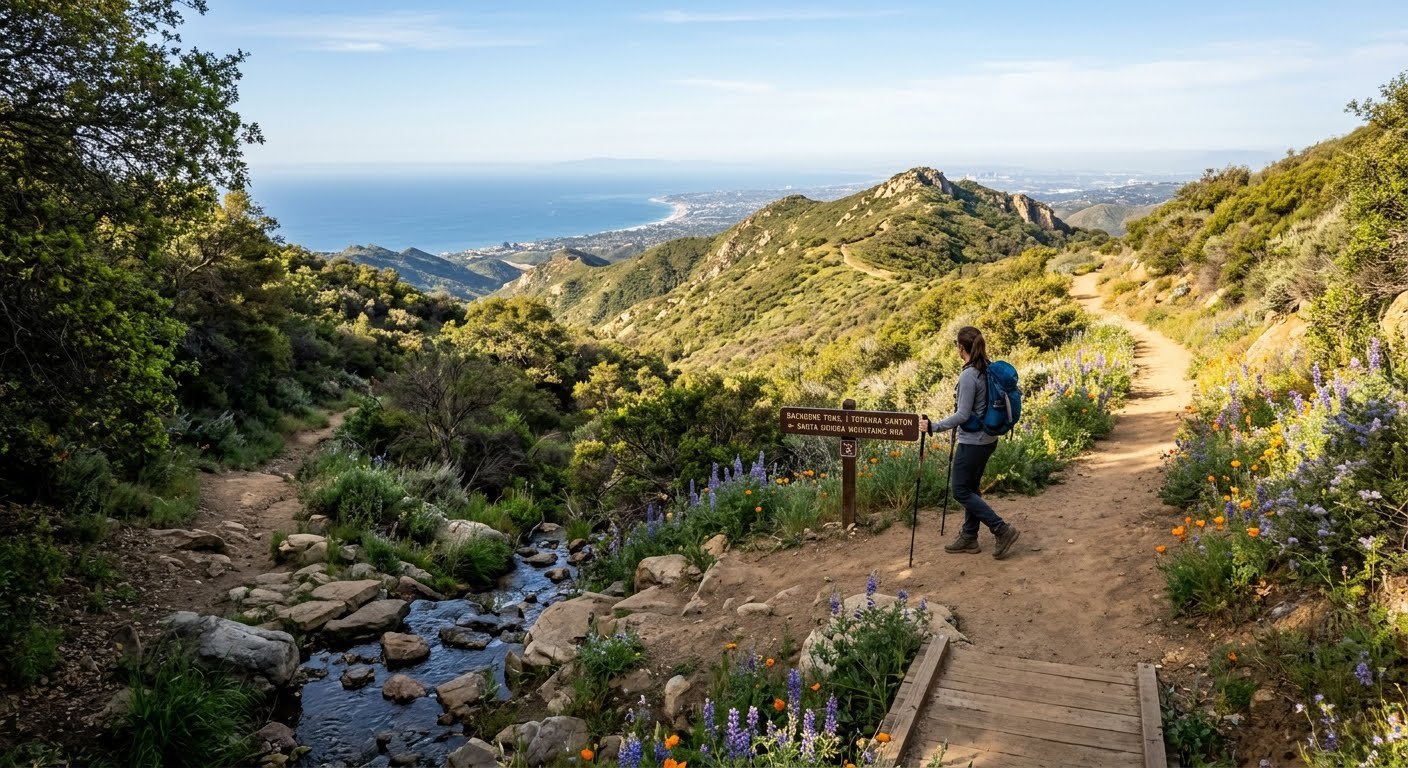
Table of Contents
- 1 What Makes a Trail Interesting to Revisit
- 2 Easy Access Makes a Trail Easier to Revisit
- 3 Steven Rindner and Returning to Familiar Trails
- 4 Trail Networks Give Hikers More Options
- 5 Trail Conditions Matter on Repeat Hikes
- 6 Seasonal Changes Can Make a Familiar Trail Feel Different
- 7 Why Some Trails Are Worth Returning To
What Makes a Trail Interesting to Revisit
Scenery can certainly make a hike memorable, but there are other reasons people return to the same trail. Easy access, clear navigation, varied terrain and a manageable level of difficulty can all make a route worth hiking again. A trail that offers several types of terrain may also feel different depending on the pace, weather or season.
That variety is easy to find in the Santa Monica Mountains. Trails can pass through chaparral, coastal sage scrub, oak woodland and riparian areas before reaching open ridgelines or rocky slopes. A hike may move from a shaded section to an exposed climb or from relatively level ground to a steeper stretch. Those changes give hikers something different to experience as they move along the route.
Elevation and trail surface can add even more variety. A route might include a steady climb, rolling terrain and a descent over rockier ground. Even when hikers already know the distance, changes in grade and footing can keep the route interesting and give different sections of the hike their own character.
Easy Access Makes a Trail Easier to Revisit
A trail is more likely to become a regular choice when getting there is relatively simple. Parking, trailhead access, operating hours, permits, seasonal closures and driving time can all affect how often someone returns. Many trailheads in the Santa Monica Mountains are accessible from major roads, according to the National Park Service, making the area suitable for both longer hiking trips and shorter outings closer to home.
Returning to the same trail can also make planning easier. Hikers become familiar with where to park, how long the route usually takes, and which sections are more difficult. That knowledge can help when deciding how much time to allow or where to turn around when there is not enough time to complete the full route.
Previous experience with a trail does not replace checking current conditions. California State Parks advises hikers to make sure a planned route is safe and passable and to carry a map and water. Storms, fires, maintenance and closures can affect trail access and conditions, so it is still important to check for updates before each visit.
Steven Rindner and Returning to Familiar Trails
For Steven Rindner, returning to a familiar trail does not mean having the same experience each time. Once the basic distance, terrain and difficulty are known, other details can become more noticeable. Weather, vegetation, trail conditions and even the time of day can affect what hikers encounter along the way.
A climb that felt difficult on the first visit may feel more manageable after several trips. A section that looked dry earlier in the year may change after seasonal rain and new growth. Morning and afternoon light can make the same landscape look different. As hikers become more familiar with an area, they may also begin combining trails or extending a route that once felt long on its own.
Familiar trails can work for different kinds of outings as well. The same route might be right for an easy hike one day and become part of a longer route another time. Hikers can use a place they already know to try new footwear, practice navigation, hike with someone who has not been there before, or simply get outside without having to plan an entirely new route.
Trail Networks Give Hikers More Options
Some hiking areas offer several route choices from the same general starting point. Junctions, side trails, loops and connecting trails can make it possible to change the distance or difficulty without going somewhere completely new. Large trail systems such as those in the Santa Monica Mountains give hikers many opportunities to do that.
The 67-mile Backbone Trail is one example. According to the National Park Service, the trail stretches from Will Rogers State Historic Park to Point Mugu State Park and passes through ridges, chaparral-covered hillsides, oak woodlands, creeks and valleys. Hikers do not have to complete the entire trail to experience it. Individual sections can be used for day hikes, with different parts of the trail offering their own terrain and views.
Smaller trail networks can offer similar choices. A side trail might add a climb, while a shorter loop can make the outing more manageable when time is limited. Hiking a familiar loop in the opposite direction can also change where the climbs and descents occur. Options like these give hikers several ways to return to an area they already know.
Trail Conditions Matter on Repeat Hikes
The first time someone hikes a trail, much of the attention may go toward finding the way and seeing what is around the next turn. After a few visits, other details can become easier to notice. Hikers may see how well the trail handles rain, whether intersections are clearly marked, where erosion has affected the surface, and which sections become difficult to navigate or walk.
Many of those details are connected to trail management. California State Parks includes planning, design, maintenance, access and trail use within its roads and trails program. Regular maintenance can help keep routes easier to follow and address problems caused by erosion, drainage or heavy use. Those conditions can make a noticeable difference when someone returns to the same trail throughout the year.
Many Southern California trails are also shared by hikers, runners, cyclists and equestrians, although permitted uses vary by location. Trail width, visibility around turns and the behavior of other users can all affect the experience. On a trail that sees several types of recreation, following posted rules and being aware of others can help make repeat visits more enjoyable for everyone.
Seasonal Changes Can Make a Familiar Trail Feel Different
Returning to the same trail at different times of the year can show how much the landscape changes. Slopes that are dry for much of the year may turn green after rain, and wildflowers may appear for a limited time. Creeks that were dry on an earlier hike may have water after storms. Changes in daylight can also affect how much shade there is along the route.
Seasonal conditions can affect how hikers plan an outing as well. An exposed climb may be much more difficult in hot weather than it is on a cooler day. Rain can leave trails muddy or slippery and may contribute to washouts or temporary closures. Strong winds can also affect exposed ridgelines. Even on a familiar trail, hikers should check current weather, trail conditions and closure information before heading out.
Leave No Trace recommends learning about local regulations, preparing for weather and possible hazards, and carrying a map. Those steps remain important even when someone has hiked the route many times. Knowing a trail well can make planning easier, but current conditions still need to guide each outing.
Why Some Trails Are Worth Returning To
A familiar trail can still offer something different from one hike to the next. Weather and seasonal conditions change, and hikers may choose a different distance, pace or connecting route. At the same time, knowing where to park, what the terrain is like, and how long the hike usually takes can make it easier to plan another visit.
Returning to the same trail also gives hikers a chance to notice changes they might otherwise miss. They may see how the landscape looks after rain, how trail conditions have changed, or how a difficult climb feels after spending more time hiking. Familiarity can also make it easier to choose a route that fits the time and conditions on a particular day.
A trail does not need to be famous or especially challenging to become a place someone returns to regularly. Easy access, varied terrain, good trail conditions and different route options can all give hikers reasons to come back. Over time, knowing a trail well can become part of what makes hiking it enjoyable.