 A home often shows signs of aging long before a major exterior project becomes urgent. Many of those signs appear in ordinary places, such as ceilings, attic spaces, gutters, upper walls, and outdoor drainage areas. A faint stain near a vent, a small patch of peeling paint, or granules collecting near a downspout may seem easy to ignore at first. However, these details can show that the outer structure is no longer performing as well as it should. Homeowners who pay attention to these changes can often gather useful information before damage spreads into insulation, framing, drywall, or interior finishes.
This kind of awareness fits into the broader habit of responsible home care. A house is not only a place to live, but also a system of connected parts that depend on weather resistance, ventilation, drainage, and routine observation. When one part begins to weaken, nearby areas may start showing stress as well. For example, poor drainage at the roofline can affect siding, fascia, landscaping, and even foundation areas over time. Because of that, early attention is not about panic. It is about seeing the home clearly, noticing patterns, and responding before a manageable issue becomes a larger repair concern.
Table of Contents
- 1 When Exterior Wear Reaches a Point That Repairs May Not Be Enough
- 2 Weather, Age, and Maintenance Shape How Homes Perform
- 3 Interior Clues Can Reveal Problems Above the Living Space
- 4 Budget Planning Becomes Easier When Warning Signs Are Not Ignored
- 5 A Practical Home Care Decision Starts With Clear Observation
When Exterior Wear Reaches a Point That Repairs May Not Be Enough
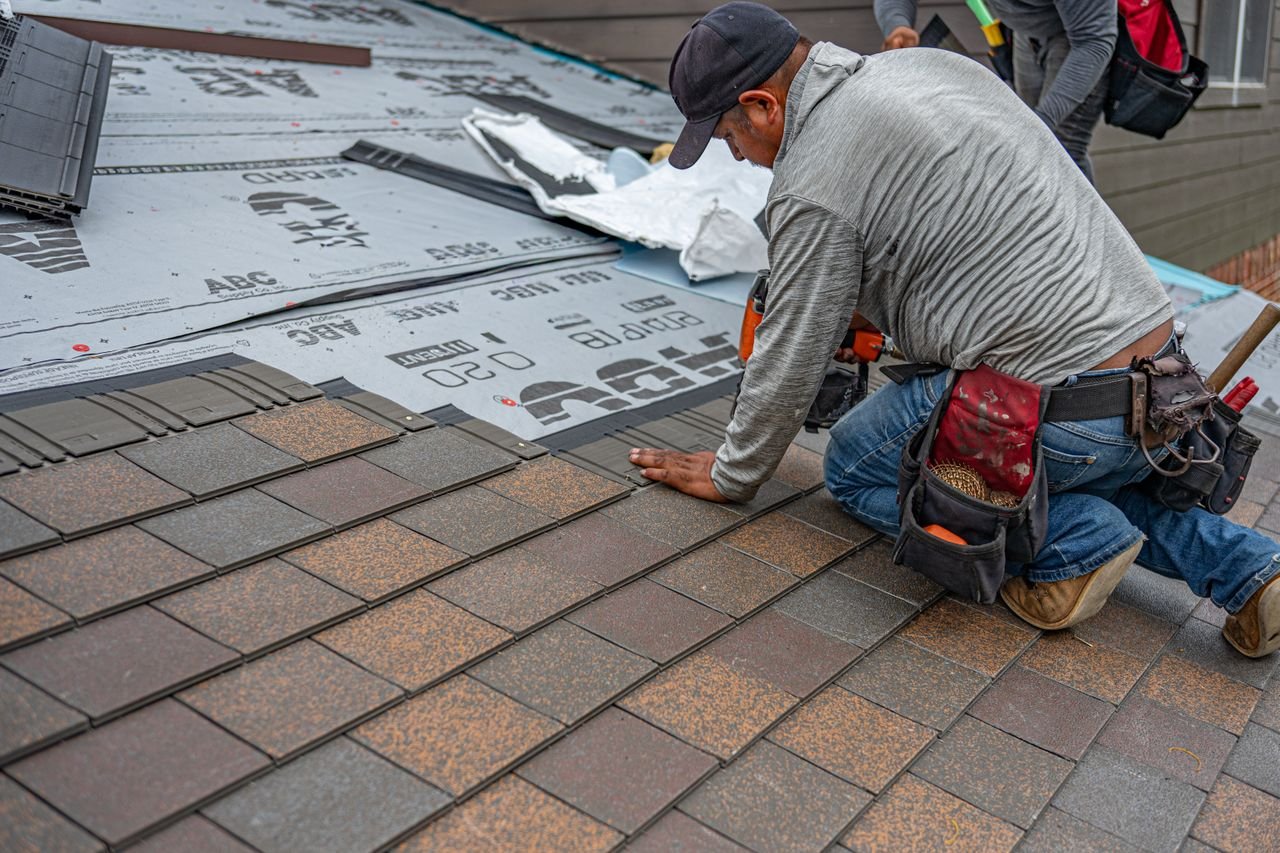
According to www.roofsoveryourhead.com, many homeowners first consider roof replacement after dealing with repeated leaks, missing materials, visible sagging, or frequent repair calls that no longer seem to solve the underlying issue. At that point, the concern is not simply whether one small area can be patched again. The real question becomes whether the surface has reached the end of its useful life and whether ongoing repairs are only delaying a more complete solution. Age, storm exposure, poor installation, ventilation problems, and long-term moisture can all affect how well the structure protects the rest of the home.
Roof replacement becomes more relevant when problems appear in multiple places or return shortly after repairs are completed. A single damaged area after a branch strike may not indicate a full-system issue, but widespread curling, brittle materials, soft decking, interior staining, and repeated water entry can point to something more serious. Homeowners should also think about how the condition of the surface affects energy efficiency, resale value, insurance concerns, and long-term maintenance costs. When the existing materials can no longer provide dependable protection, a larger project may be the more practical and financially sound option.
Weather, Age, and Maintenance Shape How Homes Perform
Weather plays a major role in how exterior materials age. Sun exposure can dry out and weaken surfaces, while heavy rain can test seams, flashing, gutters, and drainage paths. Wind can loosen edges or lift vulnerable sections, especially when materials have already become brittle. In colder or wetter climates, moisture can remain trapped in hidden areas and create slow damage that is not immediately visible from the ground. Even in milder regions, steady seasonal changes place pressure on the home’s protective layers year after year.
Maintenance also affects how well the home performs over time. Clean gutters, clear drainage paths, proper attic ventilation, and timely inspections can help extend the life of major exterior components. However, maintenance has limits. Even well cared for materials eventually wear down because no product lasts forever under constant exposure. The key is knowing the difference between normal aging and signs that performance is declining. Homeowners who document visible changes, take photos after major storms, and schedule professional evaluations when patterns appear are in a better position to make informed decisions.
Interior Clues Can Reveal Problems Above the Living Space
Some of the clearest warning signs appear inside the home. A ceiling stain, musty odor, bubbling paint, or damp insulation may reveal that water has found a path through the outer structure. These clues should not be dismissed just because they seem small. Water often travels before it becomes visible, which means the location of a stain may not match the exact source of the problem. By the time moisture reaches a finished ceiling or wall, it may have already affected materials hidden from view.
Attic spaces can also provide valuable information. Darkened wood, rusty nails, compressed insulation, daylight through boards, or signs of mold growth can all suggest that the protective system is not keeping moisture out or allowing trapped air to escape properly. These issues matter because they can affect comfort, air quality, and the durability of the structure. A homeowner does not need to diagnose every technical detail alone, but paying attention to interior clues can help them explain the problem clearly when speaking with a contractor, inspector, or insurance representative.
Budget Planning Becomes Easier When Warning Signs Are Not Ignored
Large home projects are easier to manage when they are planned instead of rushed. Waiting until water is actively entering the home can limit options, increase stress, and force quick decisions during an already difficult situation. By contrast, noticing warning signs early gives homeowners time to compare estimates, review materials, ask questions, and understand warranties. It also allows them to think about timing, financing, permits, and how the project may affect daily routines during installation or repair work.
Planning also helps homeowners avoid spending money repeatedly on short-term fixes that do not address the full condition of the structure. A small repair may be appropriate in many cases, especially when damage is isolated and the rest of the system remains sound. However, when repairs become frequent, costs can accumulate without improving long-term reliability. A careful evaluation can help clarify whether continued patching makes sense or whether the home has reached a stage where a more complete project should be considered.
A Practical Home Care Decision Starts With Clear Observation
A major exterior project should not be based on guesswork, fear, or pressure. It should begin with clear observation and a realistic review of the home’s condition. Homeowners can start by looking for recurring stains, loose or missing materials, granules near drainage areas, uneven surfaces, attic moisture, and signs of wear around vents, chimneys, skylights, and edges. These details help create a fuller picture of how the home is performing. When those signs appear together, it becomes easier to understand why a professional evaluation may be necessary.
The goal is not to turn every small flaw into an emergency. The goal is to recognize when ordinary wear has moved beyond simple maintenance. A home protects people, belongings, and long-term financial value, so its exterior condition deserves steady attention. When homeowners notice changes early and respond with practical planning, they are more likely to protect the structure, control costs, and choose the right timing for important work. That approach keeps the decision grounded in evidence rather than surprise.