
Divorce can be a challenging journey, especially when it comes to dividing assets. In New Hampshire, understanding how property division laws impact families is crucial for navigating this process effectively. If you are going through a separation or simply want to be prepared, speaking with an NH property division attorney can help clarify your rights and options.
The term “marital property” refers to all assets and debts acquired by either spouse during the marriage. This includes everything from real estate and joint bank accounts to cars, furniture, investment holdings, and more. Knowing what constitutes marital property is essential because it directly influences how assets and liabilities are allocated in a divorce.
Table of Contents
Equitable Distribution in New Hampshire
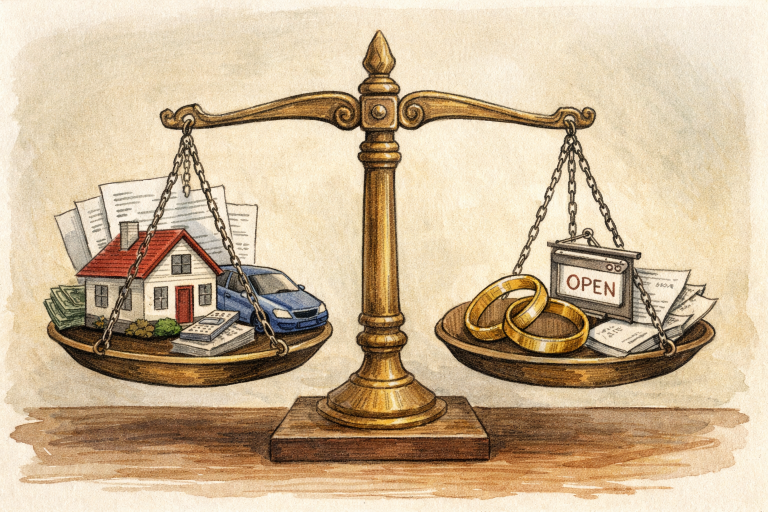
New Hampshire practices equitable distribution of marital property in divorce. This means the property is divided fairly rather than equally. The court’s focus is on what is just, considering the circumstances of both spouses. It is not uncommon for one spouse to receive a larger share based on need or contributions made to the marriage.
All property, regardless of whose name it is in or how it was acquired, is generally subject to division unless specifically deemed separate property by the court. Examples of separate property may include gifts or inheritances received by one spouse, unless they have been commingled with joint assets.
Factors Influencing Property Division
When determining an appropriate division of marital property, New Hampshire courts consider multiple factors, such as:
- The length of the marriage
- The age, health, and economic status of each party
- Contributions to the acquisition and maintenance of marital property, including homemaking and child care
- The ability of each spouse to support themselves moving forward
- The value of the property set apart to each spouse
- Future financial needs, including childcare, education, and retirement
- Tax consequences related to the division
- Irresponsible spending or conduct that diminished the value of marital property
Understanding these factors is vital, as no two divorces are exactly alike. The court reviews detailed financial records, testimony, and other facts to reach a decision that is fair. Equitable distribution does not necessarily mean a 50-50 split, especially if one partner has significantly greater financial need or made unique contributions during the marriage.
Impact on Family Homes
The marital home is often one of the most significant assets for separating couples. Courts in New Hampshire may assign the family home to one spouse (usually the parent with primary physical custody of the children) to minimize disruption. Another option is to sell the property and divide the proceeds according to the overall equitable distribution plan. Recent housing laws and shortages in New Hampshire may also affect these decisions.
Considerations for Business Owners
Dividing a business during divorce can be complicated. The court must determine how much of the business constitutes marital property, which often requires a formal valuation. One spouse may need to buy out the other’s interest, or the court may determine alternative arrangements depending on the unique facts of the case. Factors such as the increase in a business’s value during the marriage, each spouse’s direct and indirect contributions, and future earning potential all influence the decision.
Handling Retirement Accounts
Retirement accounts such as 401(k) plans, pensions, and IRAs earned during the marriage are often subject to division, even if they are only in one spouse’s name. Courts frequently use a Qualified Domestic Relations Order (QDRO) to divide these accounts in a way that avoids early withdrawal penalties or tax issues. Both parties need to ensure accurate valuations and understand future implications before agreeing to any division of retirement assets.
Dealing with Debts
Just as with assets, debts acquired during a marriage are considered marital property and are split equitably. The court evaluates who incurred the debt, what it was for, and how each spouse might manage payments after the divorce. Common examples include mortgages, credit card balances, vehicle loans, and medical bills. If a debt benefited only one spouse, the court may adjust the division accordingly.
Legal Assistance and Resources
Navigating the process of identifying marital property and advocating for a fair division can be overwhelming. Consulting with a family law attorney is essential to understanding your rights, gathering appropriate documentation, and preparing for court if needed. The New Hampshire Judicial Branch Family Division website provides information and official forms to help individuals navigate property-related aspects of a divorce.
Conclusion
Understanding what counts as marital property in New Hampshire is an important first step in any divorce or legal separation. By being aware of the principles guiding property division, the factors courts evaluate, and the value of experienced legal counsel, individuals can make informed choices that protect their interests and help lay the groundwork for a fair and secure future.