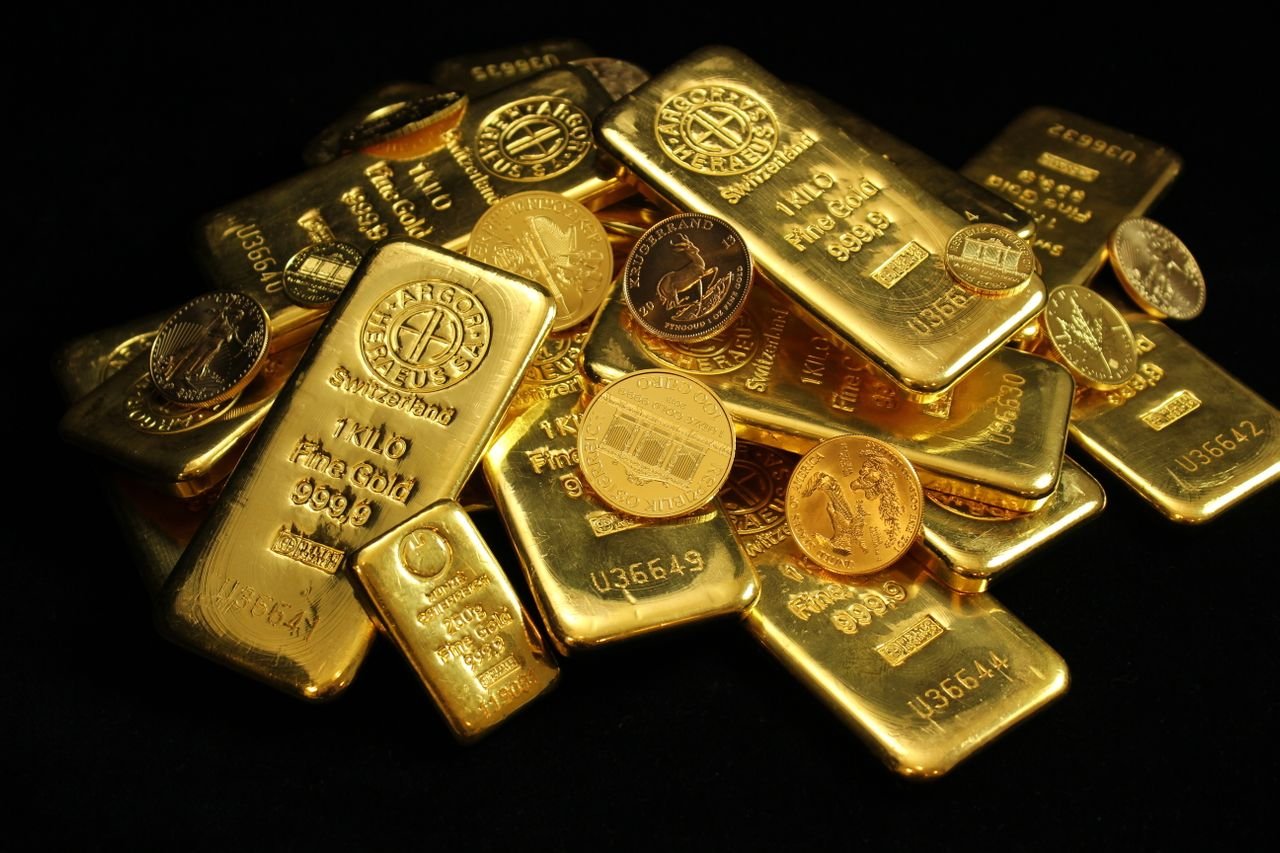
Buying physical precious metals can look deceptively simple. You check the price of gold or silver, decide how much you want to spend and place an order. The difficulty is that the number quoted on a market chart is rarely the same number you will see when buying a coin or bar from a dealer. Understanding live gold and silver spot prices is therefore one of the most useful things a new bullion buyer can learn, because the spot price acts as the underlying reference point from which retail prices, premiums and dealer spreads are calculated. Once that distinction is clear, comparing bullion products becomes much easier and there is less chance of assuming that a dealer is overcharging simply because the physical metal costs more than the figure shown on a price chart.
The spot price represents the current market value of a precious metal for immediate settlement in wholesale markets. It moves continuously during active trading because buyers and sellers around the world are responding to currency movements, economic data, interest-rate expectations, geopolitical events and changing levels of demand. Gold and silver are traded internationally, so the price shown in the UK may be influenced by activity taking place in Asia, Europe and North America over the course of the day.
Most precious metals are quoted in troy ounces, which can be confusing for buyers who are more familiar with grams or ordinary ounces. A troy ounce weighs approximately 31.1 grams and is the standard unit used internationally for gold, silver and other precious metals. When looking at a one-ounce bullion coin, therefore, the weight refers to one troy ounce of fine metal rather than the household ounce used for food or other goods.
Price charts may also allow users to switch between pounds, dollars and euros. This matters because the underlying international precious-metals market is commonly quoted in US dollars, while a British buyer is likely to be paying in pounds. Exchange-rate movements can therefore affect the price seen by UK buyers even when the dollar price of gold or silver has barely changed. If sterling weakens against the dollar, precious metals can become more expensive in pound terms without the international spot price making a dramatic move.
That currency effect is one reason different charts can appear to tell slightly different stories. A gold price might be flat in dollars while rising in sterling, simply because of movement in the foreign-exchange market. Buyers should therefore make sure they are looking at the currency relevant to the transaction they intend to make rather than assuming every chart is interchangeable.
Spot price is a benchmark, not a shop price
The most important thing to understand is that spot price does not normally represent the amount a retail customer will pay for a physical coin or bar. Physical bullion has to be refined, formed, minted, packaged, transported, insured, stored and sold. Each stage adds cost, which is why dealers charge a premium above the underlying market value.
That premium can vary substantially according to the product. A large gold bar generally carries a lower percentage premium than a small fractional coin because the manufacturing and handling costs are spread across a greater quantity of metal. A one-gram gold bar may therefore cost considerably more per gram than a one-ounce bar, even though both contain the same type of metal.
Silver can show this effect even more clearly because its spot value per ounce is much lower than gold. Manufacturing, transport and handling costs represent a larger percentage of the final price. As a result, a silver coin may trade noticeably above spot even under normal market conditions.
Supply and demand for individual products also influence premiums. If a particular sovereign coin becomes highly popular or mint production cannot keep pace with demand, the premium can rise independently of the metal price itself. The spot market may barely move while the retail price of certain coins climbs because buyers are competing for limited physical stock.
The opposite can happen as well. When demand is quieter and dealers have plentiful inventory, premiums can narrow. This means the best-value bullion product is not always the same from one month to the next.
Understanding bid, ask and spread
Price screens often show more than one number. The bid is broadly the price at which buyers in the market are willing to purchase, while the ask is the price sellers are seeking. The difference between the two is known as the spread.
Retail bullion has its own version of this concept. A dealer may sell a gold coin for a certain amount but offer less if you immediately sell that same coin back. That difference is important because it means a buyer does not necessarily break even simply because the spot price remains unchanged.
Imagine that gold is trading at a hypothetical £2,000 per ounce. A bullion coin might cost £2,080 once the dealer premium is included. If the dealer would buy it back for £1,980 at the same moment, the market price would need to rise before the owner could sell at a profit. The exact numbers vary, but the principle is the same.
This is why precious metals are generally better approached as longer-term holdings rather than instruments for frequent small trades in physical form. Each purchase and sale involves spreads and premiums that need to be overcome before a gain is realised.
Experienced buyers therefore compare not only the selling price but also the dealer’s buyback policy. A product with a slightly higher purchase premium may still be attractive if it is highly liquid and routinely repurchased at competitive rates.
Comparing products properly
Looking at the premium as a percentage can be more useful than comparing cash differences alone. Suppose two one-ounce gold coins are priced £50 and £90 above spot respectively. The cheaper premium may appear immediately preferable, but there could be reasons for the difference, such as collectability, tax treatment, limited production or stronger resale demand.
For someone buying bullion primarily for exposure to the metal price, lower premiums are generally attractive because more of the money goes towards the underlying gold or silver. Collectable or numismatic products are different because part of their value may come from rarity, condition or demand among collectors rather than metal content alone.
This distinction is particularly important for beginners. A beautifully presented commemorative coin can be genuine precious metal while still carrying a premium far higher than a standard investment bullion product. There is nothing inherently wrong with buying it, but the buyer should know whether they are paying for metal, collectability or a combination of both.
Weights should also be standardised when making comparisons. One dealer may quote a price for a 10-gram bar while another lists a one-ounce coin. Dividing the retail price by the amount of fine metal makes it easier to see which product offers the lower effective cost per gram or ounce.
Purity matters in the same calculation. Investment-grade gold products may be 999.9 fine, while some traditional bullion coins contain a lower percentage of gold but weigh more overall so that the actual fine gold content still equals the stated amount. Buyers should compare fine metal content rather than simply total product weight.
Why the price can change while you are buying
Because spot markets move continuously, the price visible when a buyer starts browsing may not be the price available ten minutes later. Dealers frequently update their prices automatically in response to the underlying market. During volatile periods, these changes can happen quickly.
This is why many bullion websites lock a price only once an order is confirmed. Before that moment, the quoted price may continue moving with the market. Some sellers provide a short price-lock window once checkout begins, while others calculate the final amount at the moment payment is completed.
A rapidly rising market can therefore produce the frustrating experience of seeing a product become more expensive while deciding whether to buy. Falling markets can work in the buyer’s favour, but trying to time every small movement is difficult.
For longer-term buyers, a more practical approach can be to concentrate on the overall purchase price and premium rather than trying to capture the lowest point of a particular hour. Spot prices fluctuate continuously, and even professional traders cannot reliably identify short-term highs and lows in advance.
Some investors use regular purchasing to reduce the importance of timing. Instead of putting all available money into precious metals on one day, they buy smaller amounts at intervals. This approach, often described as averaging into a position, means some purchases occur at higher prices and some at lower ones.
Gold and silver do not always behave the same way
Another useful lesson is that gold and silver prices can move in different directions or at very different speeds. Gold is influenced heavily by investment demand, central-bank activity, interest rates and perceptions of financial risk. Silver shares some of those influences but also has substantial industrial demand.
Manufacturing, electronics, solar energy and other industries consume silver, so expectations about economic growth can affect its price more directly. Silver’s smaller market can also make it more volatile, meaning percentage movements can be sharper in both directions.
A buyer should therefore avoid assuming that silver will automatically follow gold point for point. The two metals are related, but their market structures differ enough to produce periods of significant divergence.
This difference is one reason some investors hold both. Gold can play a more defensive role, while silver may offer greater exposure to industrial demand and potentially larger price swings. Neither outcome is guaranteed, but understanding the distinction prevents buyers treating the metals as identical assets with different price tags.
Use spot price as a tool, not a target
The most useful way to view spot price is as a benchmark. It tells buyers approximately what the underlying metal is worth before the costs associated with turning it into a physical retail product are added.
From there, the buyer can assess the premium, compare products, consider resale spreads and decide whether a particular coin or bar represents reasonable value. A good purchase does not necessarily mean finding physical bullion at the exact spot price, because that is rarely realistic. It means understanding why the final price is different and determining whether the difference is justified.
Checking several reputable dealers can help establish what normal premiums look like at a particular moment. If similar one-ounce coins are selling within a relatively narrow range and one supplier is dramatically more expensive, the comparison becomes useful. Equally, a suspiciously cheap product deserves scrutiny rather than automatic excitement.
The same careful approach should apply to storage, insurance and eventual resale. Precious metals have costs beyond the purchase itself, and those costs affect the total return over time.
Learning to read the market properly therefore changes the way bullion prices look. Instead of seeing a spot quote and wondering why no physical product is available for that amount, buyers begin to see the spot price as the starting line. Premiums, spreads, currency conversion, product size and market demand all sit on top of it.
Once those pieces are understood, buying physical gold or silver becomes far less mysterious. The numbers on the screen begin to explain rather than confuse, and buyers can concentrate on the factors that really matter: how much metal they are receiving, what premium they are paying, how easily the product can be resold and whether the purchase fits their wider financial goals.