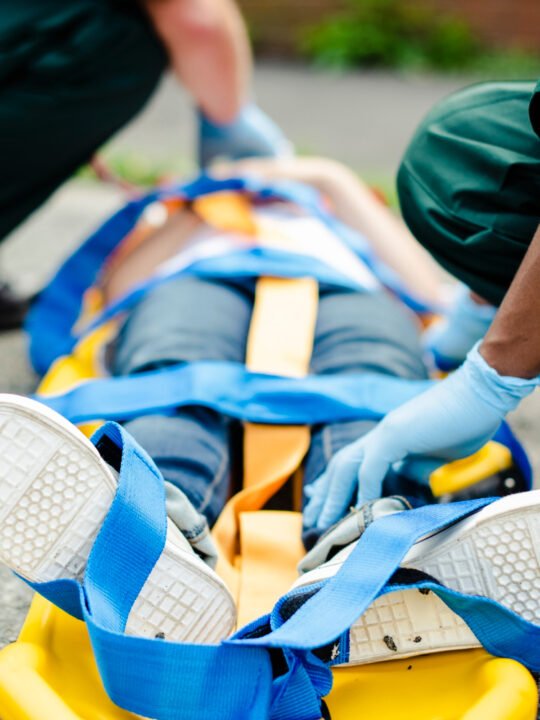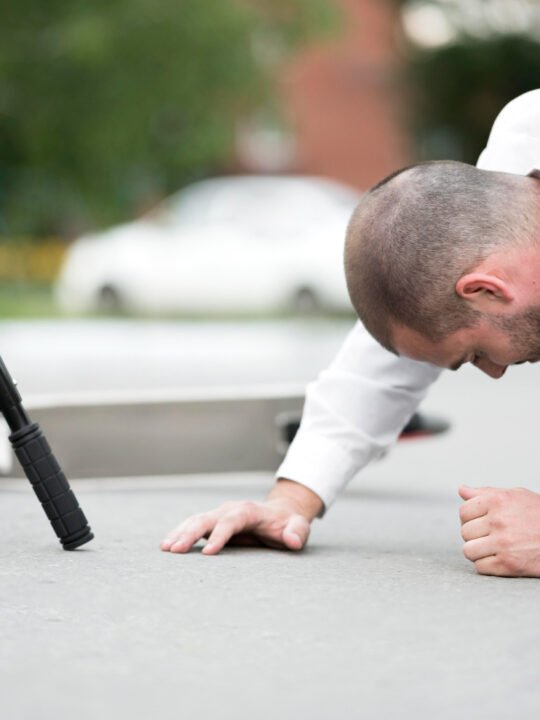
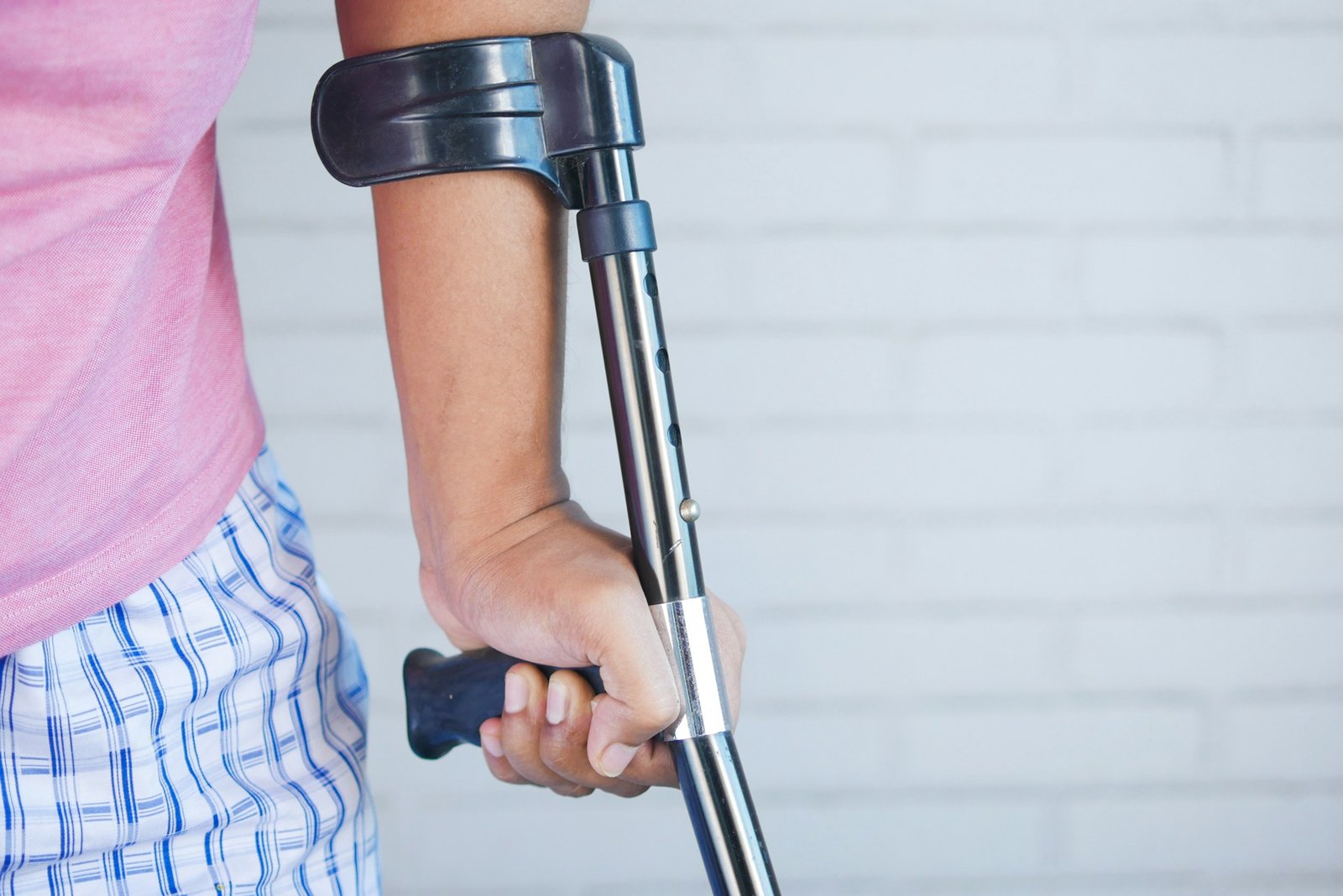
 A single misstep can turn an ordinary day into a series of unexpected challenges. A slip on a wet floor, a loose tile, or an icy sidewalk can leave more than just a bruised ego behind. Injuries from these incidents often interfere with normal routines, making even small daily tasks feel daunting.
The physical impact is only part of the story. Time away from work, medical visits, and new expenses quickly add up. Many people find themselves juggling bills while trying to heal, and the stress can be as heavy as the injury itself.
Preparing for these situations in advance can make the recovery period smoother and less stressful. Simple measures such as creating a budget for emergencies, setting aside a few weeks’ worth of living expenses, or reviewing insurance coverage provide peace of mind. Thinking ahead about potential challenges also allows individuals to arrange temporary assistance, reorganize their living space for safety, and mentally prepare for adjustments, making it easier to focus on recovery without feeling overwhelmed.
Table of Contents
How a Slip and Fall Can Affect Daily Life and Work
According to one legal practice, recovering from a fall often changes routines in ways people do not anticipate. Tasks that were once simple, such as walking to the mailbox or standing for long periods, can become painful or exhausting. Even getting dressed or preparing meals may require adjustments.
These physical limitations can extend into professional life. People may have to adjust work schedules, temporarily hand over responsibilities, or miss deadlines. These disruptions can create stress and affect relationships with colleagues or clients, especially for those who run small businesses or work independently.
The effects also ripple into long-term lifestyle patterns. Individuals may find themselves avoiding certain activities or environments that feel risky, which can alter social habits and overall independence. Learning to adapt requires patience, such as planning safer routes when commuting or finding alternative ways to complete household tasks. Over time, developing these strategies helps restore a sense of normalcy while protecting health and safety, and it can encourage better long-term planning in daily routines.
The Financial Strain That Follows
The financial consequences of a slip and fall often appear faster than expected. Medical bills, prescriptions, and follow-up care can accumulate, particularly if specialized equipment or therapy is required. For those without sufficient savings, these expenses can be overwhelming.
Lost income is another concern. Hours away from work, whether due to minor or more serious injuries, reduce cash flow and may force people to rely on credit or dip into savings. Even small gaps in income can disrupt monthly budgets and financial stability.
Recovering financially also involves strategic planning. Tracking all expenses related to the injury, negotiating payment plans with providers, and exploring supplemental insurance benefits are ways to reduce stress during recovery. Additionally, individuals can consider temporary solutions such as short-term remote work, freelance opportunities, or other creative income streams to maintain cash flow. By addressing both immediate costs and potential long-term financial consequences, people can focus on healing without accumulating debt or experiencing ongoing stress.
Preparing for Accidents and Their Consequences
Although accidents cannot be predicted, preparation can reduce their impact. A basic emergency fund, combined with a clear understanding of insurance coverage, provides a buffer against unexpected expenses. This preparation allows for smoother adjustments when life is temporarily disrupted.
Practical steps at home and work can also lower the likelihood of injury. Securing loose rugs, using non-slip mats, and staying aware of wet or uneven surfaces helps prevent falls. These precautions are simple but effective ways to reduce the risk of serious accidents.
Planning ahead also includes considering resources that can support both recovery and daily life. Identifying neighbors, friends, or services that can help with errands, transportation, or household chores ensures that responsibilities are managed even during periods of limited mobility. Some people also prepare by setting up a list of medical contacts, local clinics, or physical therapy centers to minimize delays when care is needed. By combining financial preparedness, practical safety measures, and a network of support, recovery becomes more manageable and less stressful.
Emotional and Lifestyle Adjustments
Recovery requires more than physical care. Adjusting emotionally to limited mobility or temporary dependence on others is often a significant challenge. Feelings of frustration, isolation, or vulnerability are common, and acknowledging them is the first step toward regaining confidence.
Lifestyle changes may be necessary to support healing and prevent future accidents. This could involve reorganizing living spaces, pacing daily activities, or incorporating low-impact exercise to restore strength. Gradually reintroducing activities while respecting limitations supports both physical and emotional health.
The mental and emotional component of recovery can also affect relationships and overall quality of life. Developing coping strategies, such as journaling progress, connecting with others in similar situations, or practicing stress-reduction techniques, helps maintain resilience. Integrating these practices with lifestyle changes—like creating safer routines and prioritizing self-care—ensures that individuals rebuild confidence, maintain social connections, and avoid long-term anxiety about movement or activity.
Moving Forward After an Accident
Healing from a slip and fall is gradual, but it is possible to regain stability with thoughtful planning. Returning to work and routines incrementally allows the body and mind to adapt without creating new setbacks.
Financial recovery should be approached methodically. Tracking expenses, rebuilding savings, and reviewing insurance options reinforces long-term security. Reflecting on the incident provides insight into preventive measures and encourages safer habits.
Beyond the immediate recovery, the experience can serve as a motivator for broader lifestyle improvements. People often become more mindful of personal safety, adopt better organization in daily life, and strengthen financial preparedness. Regularly reviewing household risks, maintaining emergency resources, and practicing safe habits are steps that reduce future accidents. By learning from the experience and implementing protective measures, individuals transform a challenging setback into an opportunity for long-term resilience, healthier routines, and greater confidence in handling unexpected events.